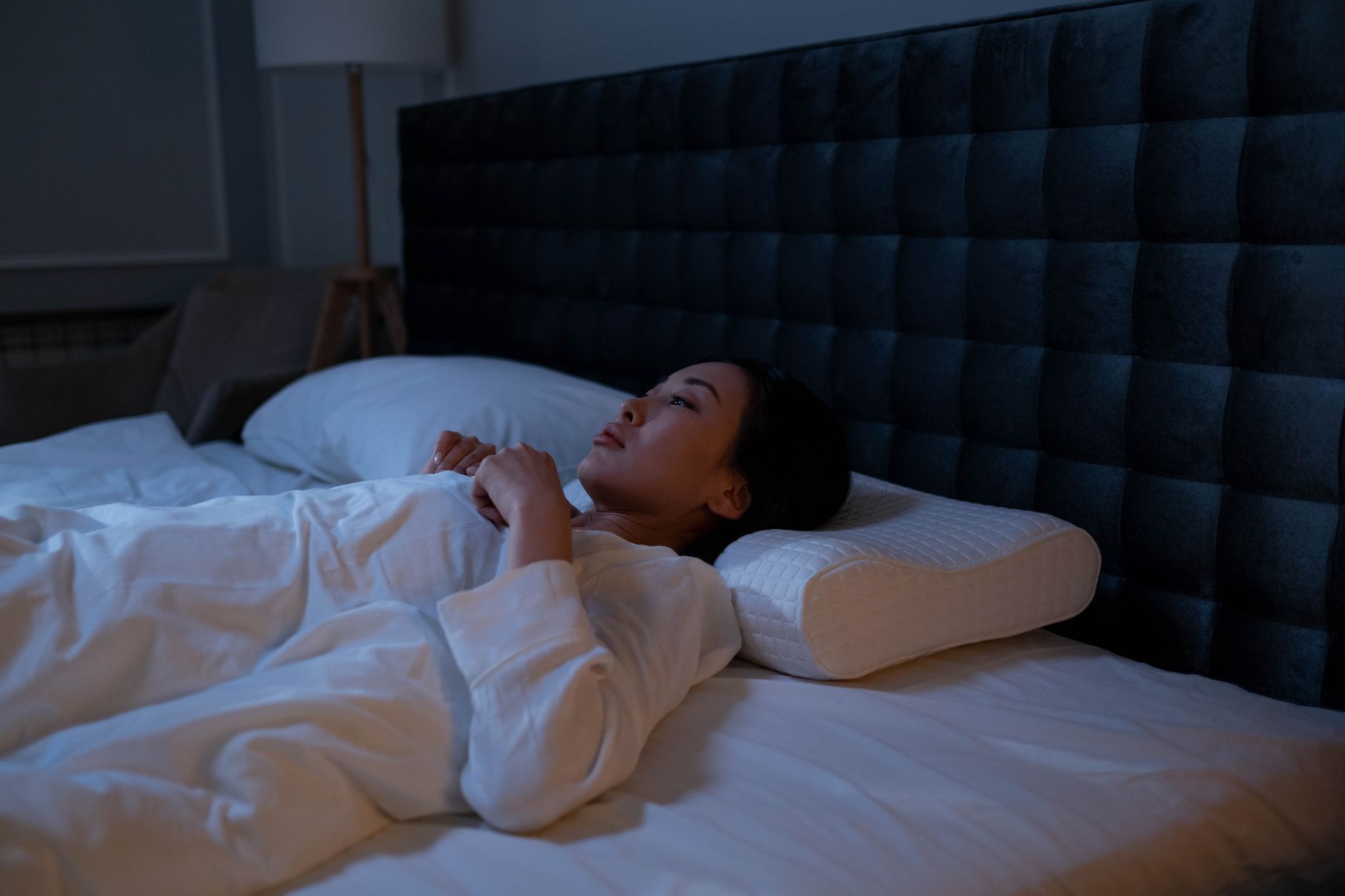
The dream sequence in horror has a specific job. It isn't decoration, and it isn't a cheat. When a horror film cuts to a nightmare, it's making a structural argument: that the rules you've been relying on don't apply here, and possibly never did. The best horror directors understand this. The worst use it as a reset button. The difference between those two approaches explains why some dream sequences terrify and others just annoy.
Why horror needs dreams
Horror's central anxiety is about safety. The haunted house, the locked room, the dark corridor: each one is a version of the same question. Can you trust the space around you? Dreams push that question to its limit. In a dream, you can't lock a door. You can't run fast enough. The exits move. This is why the dream sequence isn't a detour from horror's concerns but a compression of them.
It's also why the device gets misused so often. A director who uses a dream sequence to stage something impossible, then cuts to the character waking up gasping, isn't interrogating the nature of threat. They're avoiding it. The "it was only a dream" cut is one of horror's laziest moves, and audiences clock it immediately. But the directors who understand what dreams actually do, who use them to contaminate rather than contain, build something far more difficult to shake.
Consider what distinguishes a dream that frightens from one that merely surprises. Surprise is easy: a sudden image, a jump, a sound. Fright is something that stays with you after the screen changes. Dream sequences earn that residual dread when they're structurally integrated, when what happens inside the dream leaks into what happens outside it.
The logic of contamination
The strongest horror dream sequences work through contamination. They don't stay in the dream. They infect the film's waking sections with the same instability, so the viewer no longer knows which register they're in. This technique isn't just atmospheric. It's the formal expression of a specific fear: that your own mind is the unreliable ground you're standing on.
Ingmar Bergman's Hour of the Wolf (1968) builds its entire architecture on this principle. Max von Sydow's artist Johan Borg experiences what the film presents as waking encounters with tormenting figures, but the line between his nightly terror and his daylight reality dissolves so completely that the viewer is left constructing the border themselves. The film never confirms which sequences are real. That refusal is the horror. The dream has eaten the waking world, and there's nothing left to hold onto.
Roman Polanski understood this too. Rosemary's Baby (1968) contains one of the most carefully constructed dream sequences in horror: the night Rosemary is impregnated, staged with a hallucinatory logic that mixes the mundane and the monstrous until you can't separate them. Polanski doesn't resolve the sequence cleanly. He lets it bleed. By the time Rosemary wakes, the dream's events have already become plot. Nothing that happened can be unmade. The waking world has accepted the nightmare's facts.
Wes Craven and the dream as mechanism
No filmmaker exploited the dream sequence more systematically than Wes Craven, and A Nightmare on Elm Street (1984) is the definitive case. Craven's invention was to make the dream not just a space of horror but the literal mechanism of murder. Freddy Krueger kills in dreams. This means the film's dream sequences aren't parenthetical: they're the actual plot.
What Craven understood is that sleep is unavoidable. You can run from a killer. You can lock a door. But you can't stay awake forever. The dream sequence in Elm Street carries weight precisely because the dream kills you. There's no waking up gasping. There's just waking up dead. That logic transforms every moment of drowsiness in the film into genuine threat.
Craven also used the dream to explore the edges of the "it was only a dream" structure without surrendering to it. The film's most disturbing sequences are the ones where the dream leaks: the arm stretching the ceiling above the bed, the sheets pulling taut, the boundary between asleep and awake becoming permeable. These moments don't ask you to choose between two registers. They insist both are real at once.
David Lynch and the language of dread
David Lynch isn't strictly a horror director, but his influence on how horror films use dream logic is enormous. His films don't segment dreams from waking experience. They treat the entire film as a single dream-space, which is something fundamentally different from the "sequence" approach. The horror that results from this isn't punctual. It's ambient. There's no moment where you're safe.
Directors who absorbed this approach began building horror films that operate under dream logic from their first frame, not just within designated sequences. The narrative coherence of the waking world is gone before it arrives. This is why films built on that model, Phantasm, Begotten, Skinamarink, produce such specific and durable unease: the viewer has no stable ground to return to. Every frame is the dream.
What makes a bad dream sequence
The failure mode is specific. A horror film's dream sequence fails when it exists to give the filmmaker permission rather than to advance or deepen the film's actual argument. Permission to show something violent. Permission to stage something surreal. Permission to avoid the consequences of what just happened.
The easiest tell is the gasp cut: a character experiences something terrible, then wakes, then the film continues as if the dream was merely flavour. Nothing carried over. Nothing contaminated. The dream functioned as a sandbox. This is the dream sequence as false alarm, and it trains the viewer to discount everything that follows. Once an audience suspects that the strange things they're seeing might be "just a dream," you've lost them. They're no longer participants. They're spectators at a removal's distance, waiting to see which events actually count.
The better films never offer that comfort. They make it impossible to establish which events count. They put the viewer in the same position as the protagonist: unable to map the dream's border onto the world.
Sleep as the last unsafe space
What horror finds in the dream is the final frontier of vulnerability. You can fortify a house. You can arm yourself. You can stay in groups. But you close your eyes every night, and when you do, the architecture of the external world stops being available to you. You're alone in your own mind with whatever lives there.
The horror dream sequence, at its best, takes that structural vulnerability and turns it into narrative form. The dream becomes the film's acknowledgment that the mind is not a safe house. It's a building that changes its floor plan without warning, populated by figures who know things about you that you haven't admitted to yourself. Horror has always known this. The dream sequence is just the device that lets the genre say it directly, frame by frame, in the dark.
That's why the device persists. Not because it's convenient, but because it's honest. Sleep is the oldest undefended border. Horror is the genre that keeps crossing it.