Blog
-

Frailty (2001) movie review: faith as a murder weapon
Frailty (2001) is the horror film that turns paternal love and religious conviction into something genuinely monstrous. Bill Paxton's directorial debut remains one of the most quietly devastating explorations of faith and violence in the genre.
-

Seconds (1966) movie review: the body you didn't choose
Seconds (1966) is the film that turns the American dream of reinvention into a surgical horror story. John Frankenheimer's black-and-white nightmare remains one of the most overlooked achievements in the genre.
-

Hereditary vs Midsommar: Aster's grief compared
Ari Aster made grief the engine of his first two films, but Hereditary buries you in the dark while Midsommar burns you alive in the light. The comparison tells you something important about what horror can do with loss.
-
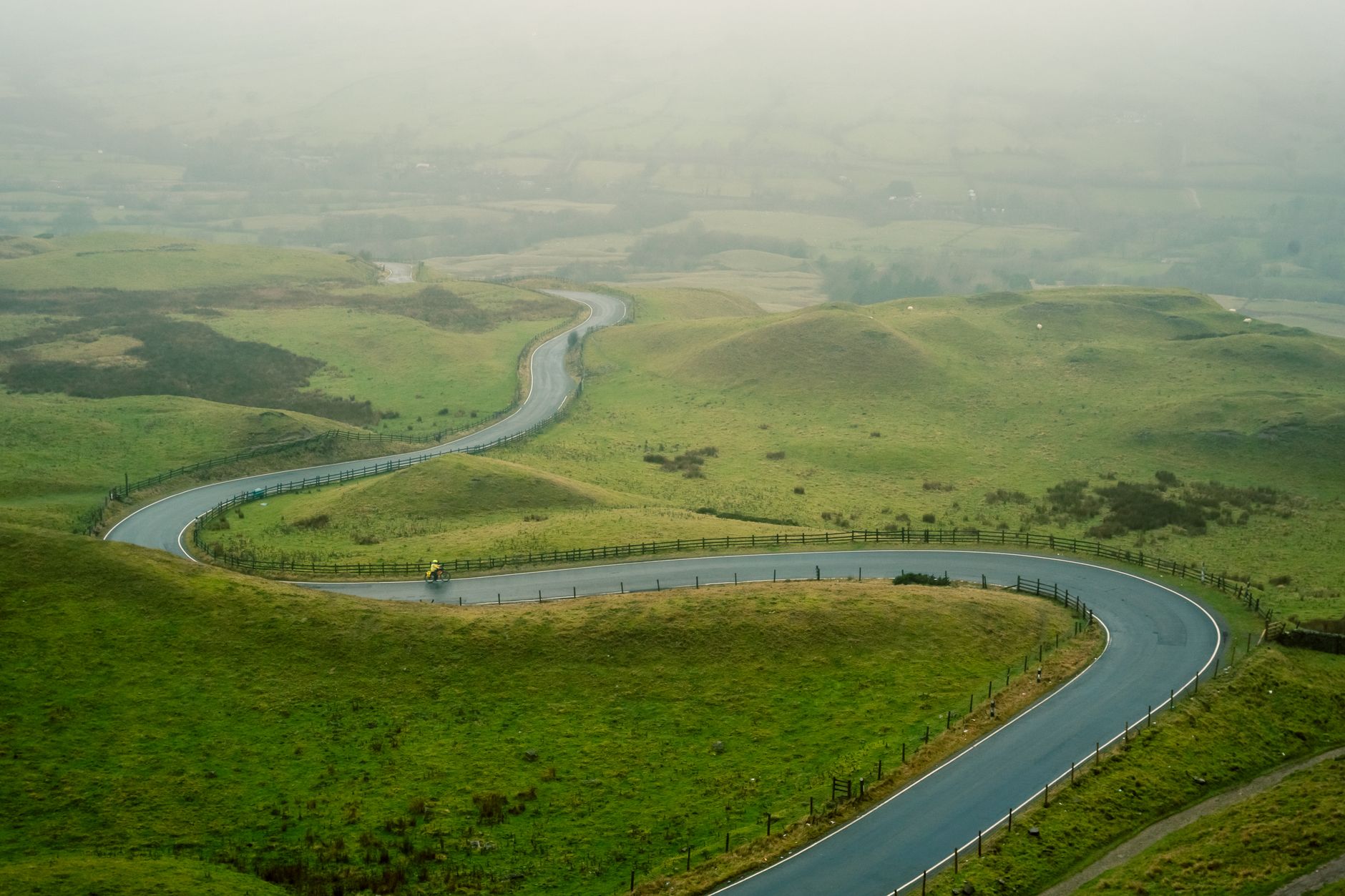
Penda's Fen (1974) movie review: England's buried fire
Penda's Fen (1974) is the BBC Play for Today that turned a teenager's religious and sexual crisis into a vision of England's buried, pagan self. David Rudkin's script remains one of the most unsettling pieces of folk horror ever made for television.
-
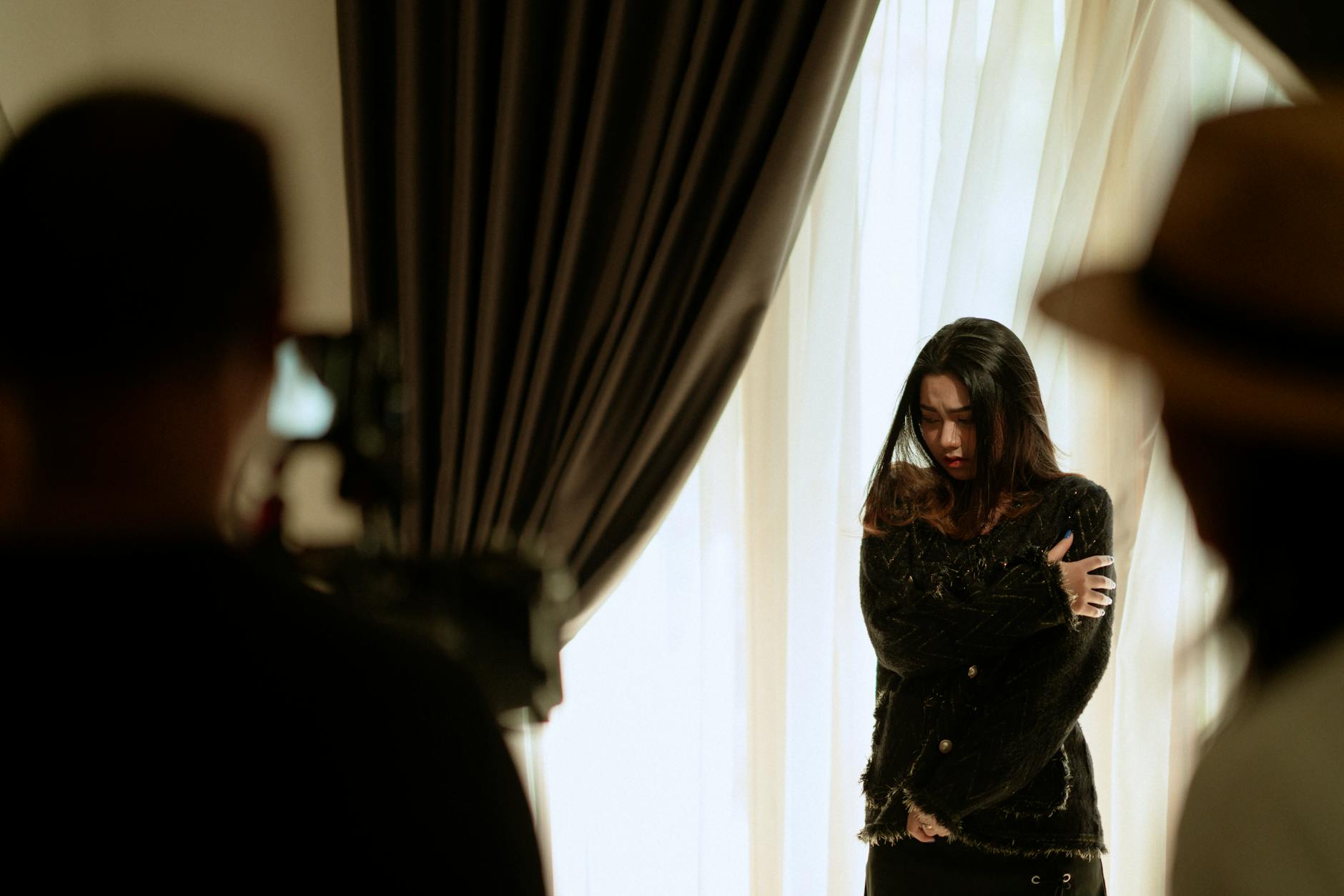
Starry Eyes (2014) movie review: Hollywood as a devouring god
Starry Eyes (2014) is the body horror film that uses an aspiring actress's desperation as the chassis for something genuinely transgressive. Kevin Kolsch and Dennis Widmyer's debut remains one of the decade's most unnerving meditations on the cost of wanting fame.
-

The Haunting of Hill House (1959) by Shirley Jackson: book review
The Haunting of Hill House by Shirley Jackson is the novel that made a building think. Nearly seven decades on, it remains the most psychologically precise haunted house ever written.
-

Trouble Every Day (2001) movie review: Denis's body horror without pity
Trouble Every Day (2001) is Claire Denis's closest approach to horror, a film about hunger so feral it strips the romance genre down to raw tissue. It's one of the most uncomfortable films you'll ever love.
-

Phenomena (1985) movie review: Argento's fever logic
Phenomena (1985) is Dario Argento's most beautifully broken film, a serial killer thriller that runs on dream logic and heavy metal and the migration patterns of blow flies.
-

Dagon (2001) movie review: Lovecraft on the Spanish coast
Dagon (2001) is Stuart Gordon's most underrated Lovecraft adaptation, a film that trades the lab for the sea and finds something genuinely ancient waiting there. It's wetter, stranger, and more committed than its reputation suggests.
-

Annihilation (2018) movie review: Area X devours you quietly
Annihilation (2018) is the horror film that disguises an extinction event as a biology expedition. Alex Garland builds dread from cell walls and lighthouse mirrors, and the threat never once raises its voice.
-
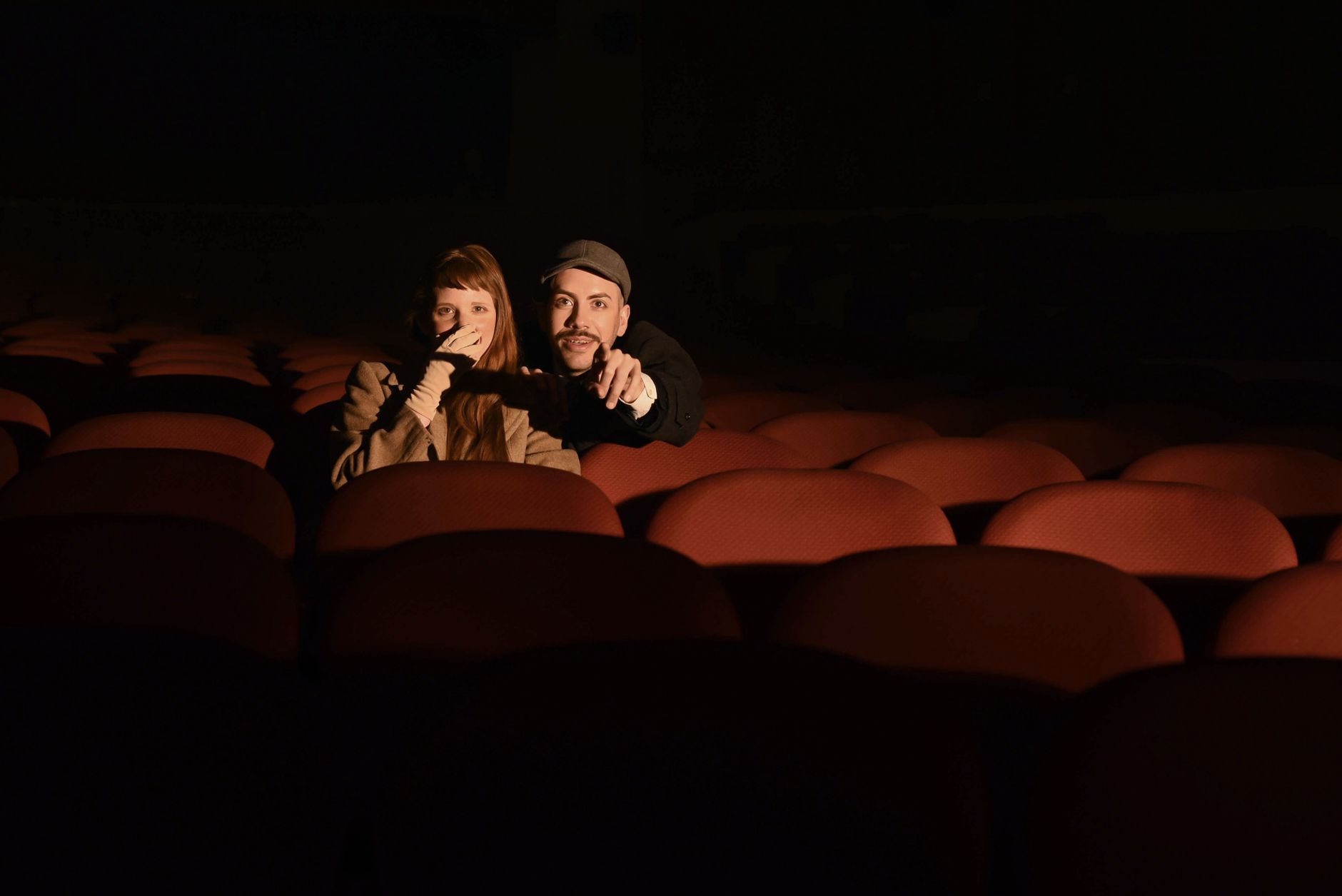
Targets (1968) movie review: Bogdanovich's quiet prophecy
Targets (1968) is Peter Bogdanovich's debut feature, a film that collides an aging Boris Karloff with the image of a real American sniper and refuses to let either story feel safe.
-

Mandy (2018) movie review: Nicolas Cage in the fire
Mandy (2018) is the horror film that soaks a grief story in neon and chainsaw noise, then asks how much punishment beauty can withstand. Panos Cosmatos made something genuinely singular.
-

Skinamarink (2022) movie review: static as terror
Skinamarink (2022) is the horror film that strips away plot, character, and narrative logic, then asks you to sit with what remains. Kyle Edward Ball's debut is either the most unsettling film of the decade or the most audacious hoax.
-

Peeping Tom (1960) movie review: Powell's career-ending masterpiece
Peeping Tom (1960) is the British horror film that ended Michael Powell's career and predicted the entire slasher genre in a single, devastating move. It's one of the most uncomfortable films ever made, and it was right to make you uncomfortable.
-

Cure (1997) movie review: Kurosawa's coldest horror
Cure (1997) is the film where Kiyoshi Kurosawa turned a serial-killer thriller into something far more unsettling: a meditation on the void at the heart of the self. It remains one of the most coldly devastating horror films ever made.
-

Pulse (2001) movie review: Japan's loneliest ghost story
Pulse (2001) is the J-horror film that replaced the vengeful ghost with something far worse: total, irrevocable loneliness. Kiyoshi Kurosawa's vision of the internet as a portal to extinction remains one of cinema's most quietly devastating nightmares.
-
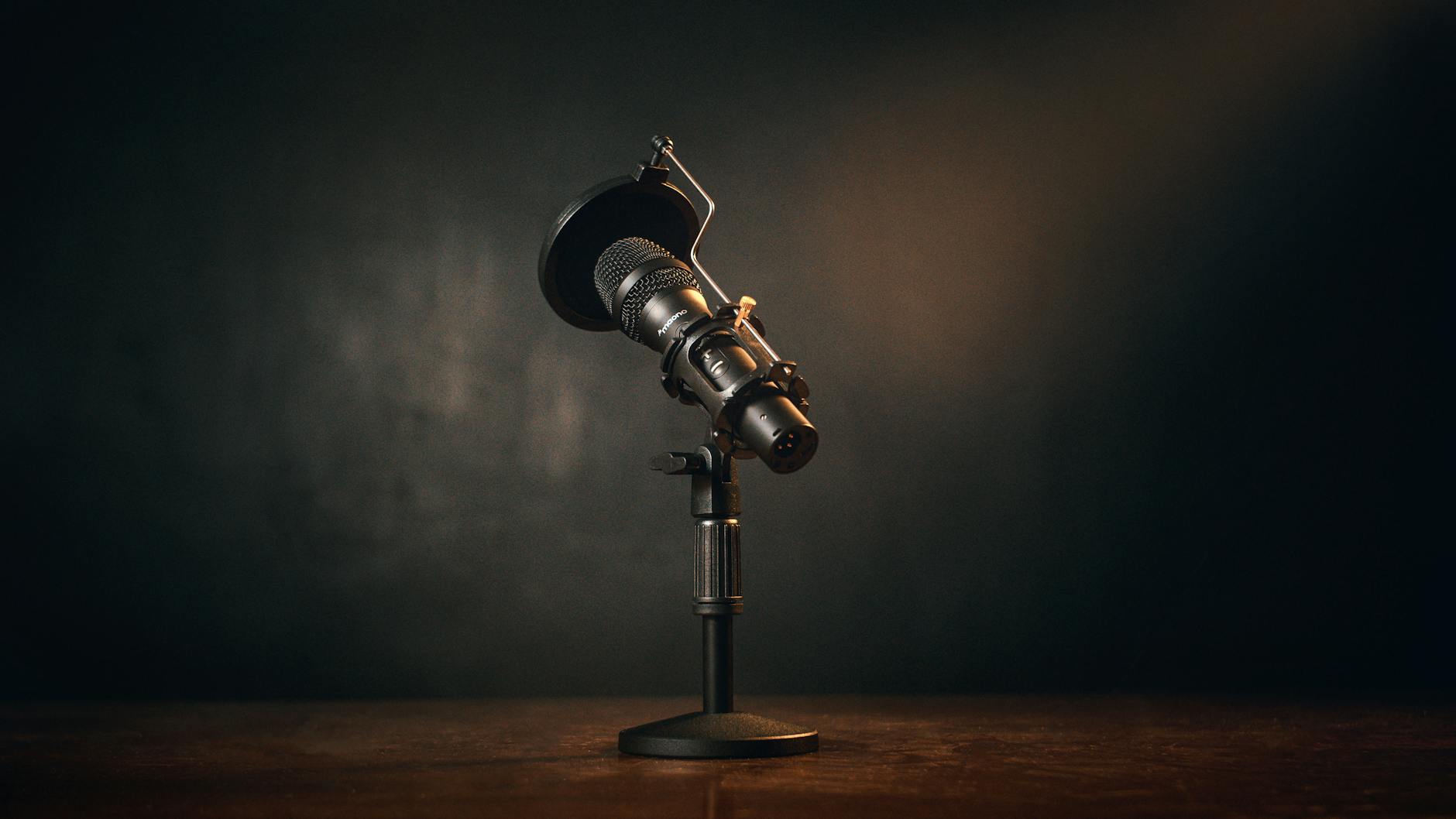
Pontypool (2008) movie review: the word is the weapon
Pontypool (2008) is the Canadian horror film that traps its characters inside a radio station and makes the English language the monster. Stephen McHattie delivers one of horror's most underrated performances as the town falls apart word by word.
-

Picnic at Hanging Rock (1975) movie review: dread without answers
Picnic at Hanging Rock (1975) is the horror film that refuses to explain itself, and that refusal is precisely its power. Peter Weir's Australian mystery remains one of the most quietly devastating films ever made.
-

Funny Games (1997) movie review: Haneke's merciless lecture
Funny Games (1997) is the home-invasion film that refuses to let you enjoy it. Michael Haneke's Austrian provocation is less a thriller than a sustained argument about why you showed up.
-

The Wicker Man II (2011) movie review: a hollow echo
The Wicker Man II (2011) is the belated sequel to Robin Hardy's 1973 folk horror classic, and it tries to recapture the same ritual dread on a fraction of the budget and none of the menace.
-

The Orphanage (2007) movie review: a ghost story built on love
The Orphanage (2007) is J.A. Bayona's debut feature, a Spanish ghost story that uses the dread of a crumbling seaside institution to explore the one thing scarier than a haunting: a mother who refuses to stop looking.
-

The Inhuman Condition by Clive Barker: book review
The Inhuman Condition by Clive Barker is the 1986 collection that packs five stories into a slim volume and somehow makes each one feel larger than the last. Desire, cruelty, and transformation pushed to their most extreme conclusions.
-

The Mist (2007) movie review: Darabont's fog of despair
The Mist (2007) is Frank Darabont's Stephen King adaptation that turns a small-town supermarket into one of horror's most suffocating battlegrounds. The monsters outside are almost beside the point.
-
Carrie (1976) movie review: De Palma's scream heard round the prom
Carrie (1976) is Brian De Palma's adaptation of Stephen King's debut novel, a film that turns teenage humiliation into something apocalyptic and refuses to let anyone in the audience feel entirely innocent.
-

The Hellbound Heart by Clive Barker: book review
The Hellbound Heart by Clive Barker is the novella that opened a puzzle box and let something genuinely new into horror fiction. Desire, damnation, and the flesh taken to their logical extremes.
-

28 Days Later (2002) movie review: rage reborn
28 Days Later (2002) is the horror film that emptied London and filled the silence with something faster and angrier than any zombie cinema had seen before. Danny Boyle's infected thriller changed the genre's biology permanently.
-

The Stepford Wives (1975) movie review: a suburb that devours
The Stepford Wives (1975) is the horror film that made moving to the suburbs feel like signing a contract in someone else's blood. Bryan Forbes's adaptation of Ira Levin's novel remains one of the most quietly devastating films in the genre.
-

Books of Blood by Clive Barker: book review
Books of Blood by Clive Barker arrived in 1984 and immediately made almost every other horror collection look timid. Six volumes of flesh, myth, and appetite that still haven't been matched.
-

Session 9 (2001) movie review: the asylum wins
Session 9 (2001) is the horror film that uses a real, rotting psychiatric hospital to do something most ghost stories can't: make the building feel like the most dangerous character on screen.
-
Black Christmas (1974) movie review: the call is inside the house
Black Christmas (1974) is the Canadian slasher that invented the sorority house siege, the point-of-view killer, and the phone call from inside the building, four years before Halloween arrived. It still works.
-

The Great and Secret Show by Clive Barker: book review
The Great and Secret Show by Clive Barker is the 1989 novel that pulls an entire mythology out of a pile of undelivered mail and refuses to stop expanding. It's Barker at his most ambitious, and arguably his most readable.
-

Ginger Snaps (2000) movie review: puberty as infection
Ginger Snaps (2000) is the Canadian werewolf film that turned female adolescence into the most convincing lycanthropy metaphor in horror history. John Fawcett's cult classic still bites.
-
The Texas Chain Saw Massacre 2 (1986) movie review
The Texas Chain Saw Massacre 2 (1986) is Tobe Hooper's own sequel to his 1974 original, and it does almost everything differently. It's louder, bloodier, and funnier, and it knows all three of those things.
-

Weaveworld by Clive Barker: book review
Weaveworld by Clive Barker is the 1987 novel that stitches an entire civilisation into the threads of a carpet and then dares the world to unravel it. It's the book that proves Barker's imagination has no floor.
-
Ring 2 (1999) movie review: Nakata's cursed return
Ring 2 (1999) is Hideo Nakata's direct sequel to Ringu, and it takes the curse in a direction no one expected: inward, clinical, and quietly devastating. It doesn't match the original, but it earns its place beside it.
-

Don't Look Now (1973) movie review: grief on a sinking city
Don't Look Now (1973) is Nicolas Roeg's adaptation of Daphne du Maurier's short story, a film about grief so acute it bends perception, set in a Venice where every canal looks like a place to drown.
-

The Damnation Game by Clive Barker: book review
The Damnation Game by Clive Barker is the 1985 debut novel that takes the Faustian bargain and drags it through blood, gambling dens, and the cold logic of a man who has already lost everything.
-
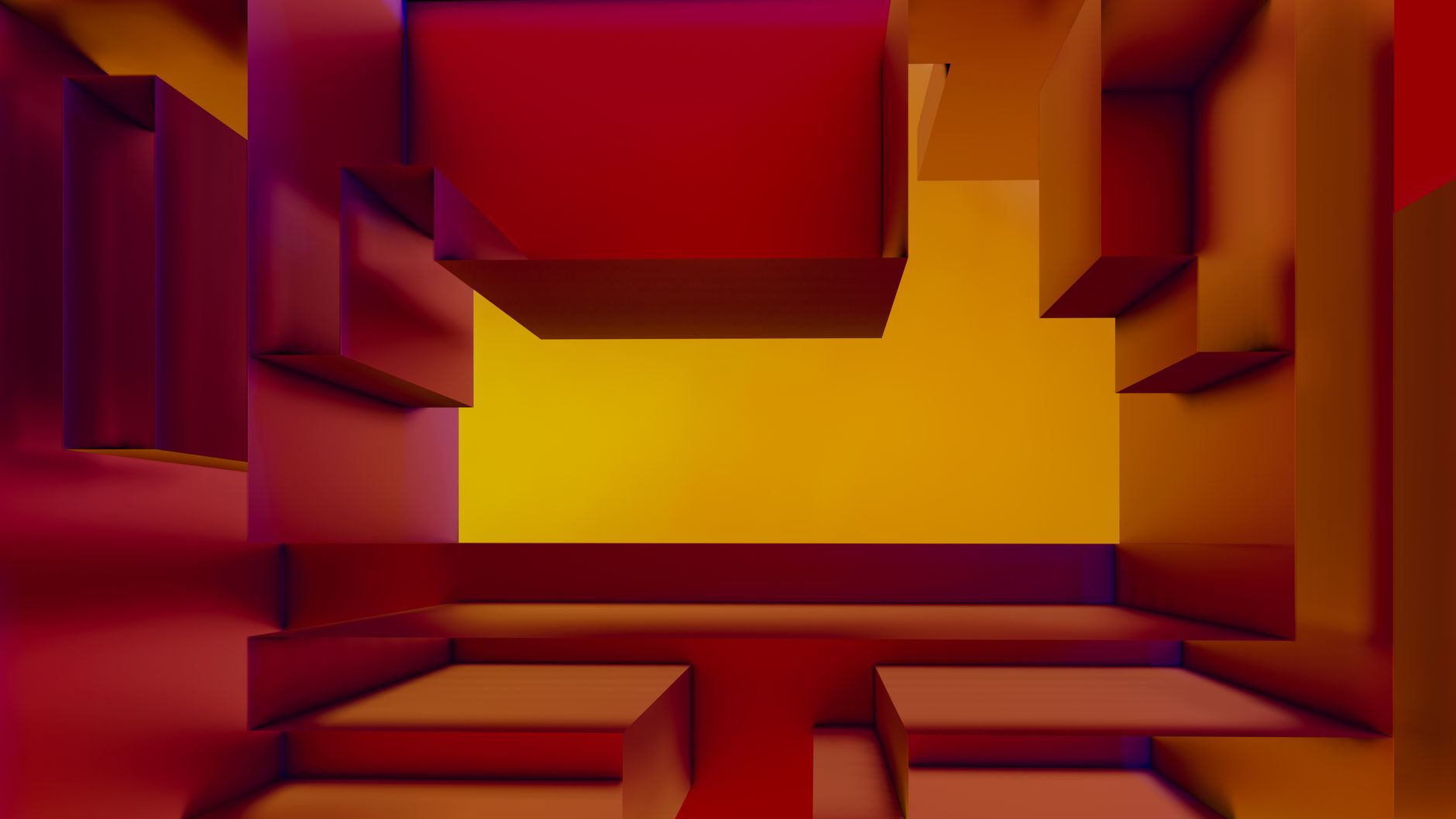
Cube (1997) movie review: six sides, no exits
Cube (1997) is the Canadian sci-fi horror film that locks six strangers inside an infinite grid of lethal rooms and dares you to work out whether escape is even possible. Vincenzo Natali's debut remains one of the most elegantly brutal horror concepts ever committed to a $350,000 budget.
-
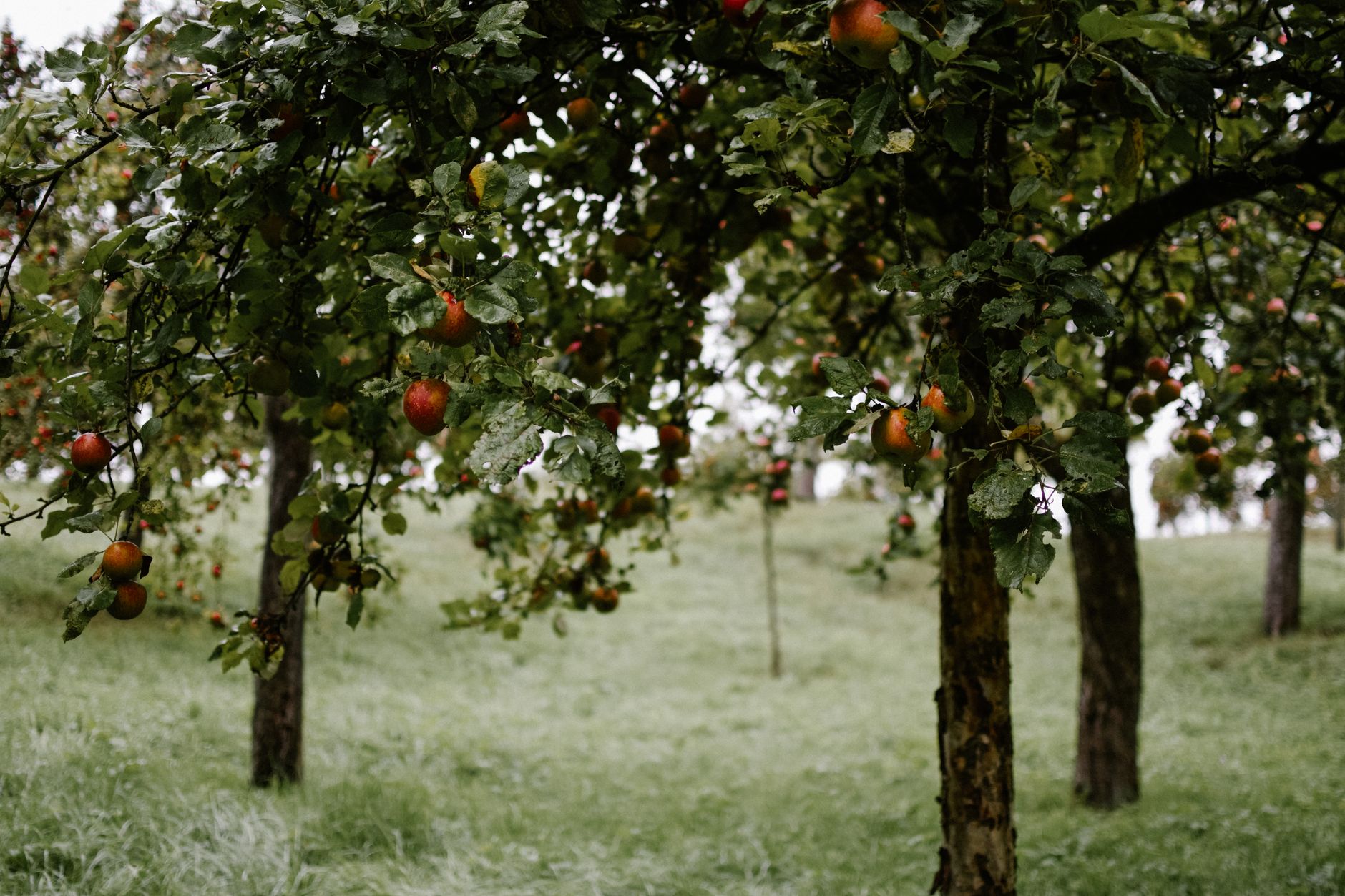
Let's Scare Jessica to Death (1971) movie review
Let's Scare Jessica to Death (1971) is the low-budget American horror film that makes you doubt every image, every voice, and every moment of calm it offers. John Hancock's debut feature is quiet dread at its most persistent.
-

The Keep by F. Paul Wilson: book review
The Keep by F. Paul Wilson is the 1981 novel that pits Nazi soldiers against an ancient evil in a Romanian fortress, and manages to make both sides of that confrontation feel genuinely threatening.
-

Event Horizon (1997) movie review: hell is a spaceship
Event Horizon (1997) is the science fiction horror film that turns a rescue mission into a descent into something no physics textbook covers. Paul W.S. Anderson's most ambitious film still divides audiences nearly three decades on.
-

The Cremator (1969) movie review: Herbst's quiet apocalypse
The Cremator (1969) is the Czech horror film that turns a small, polite man into the most frightening presence in 1960s European cinema. Juraj Herz's adaptation of Ladislav Fuks's novel is unlike anything the genre produced that decade.
-

The House Next Door by Anne Rivers Siddons: book review
The House Next Door by Anne Rivers Siddons is the haunted house novel that hides its horror inside an architect's masterpiece and a neighbourhood's polite silence. It's one of the most underrated American horror novels of its era.
-

The Frighteners (1996) movie review: Jackson's comic ghost story
The Frighteners (1996) is the film where Peter Jackson threw a haunted-house comedy, a serial-killer thriller, and a full load of digital ghost effects into one frame and somehow made it cohere. It's strange, funny, and nastier than most people remember.
-

Hour of the Wolf (1968) movie review: Bergman's waking nightmare
Hour of the Wolf (1968) is Ingmar Bergman's only true horror film, a portrait of an artist's collapse so precise and merciless it stops feeling like cinema partway through and starts feeling like a clinical observation.
-

In the Mouth of Madness (1994) movie review
In the Mouth of Madness (1994) is John Carpenter's Lovecraftian thriller about a reality that collapses one paperback at a time. It's one of the smartest and most undervalued horror films of its decade.
-
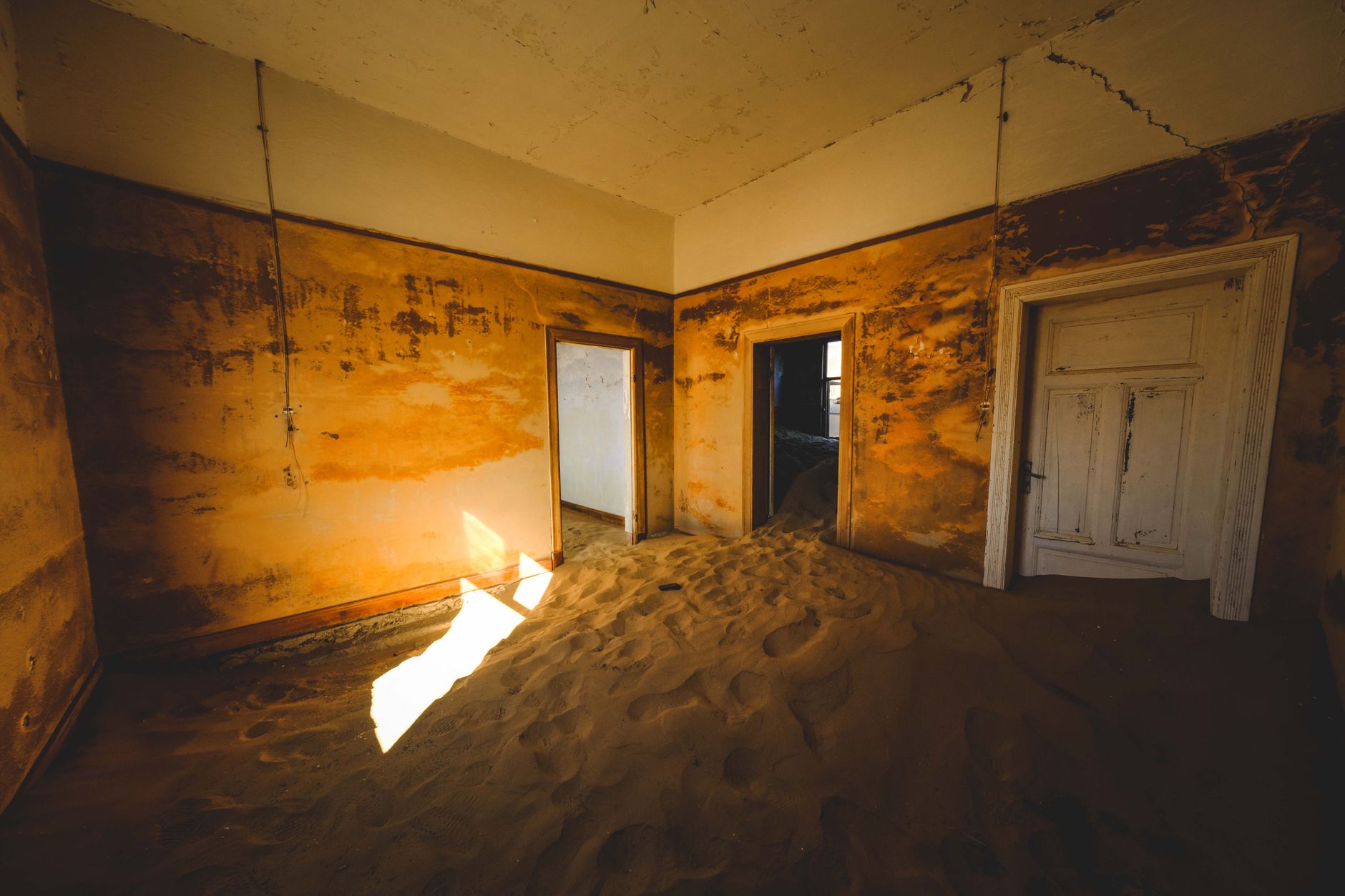
Repulsion (1965) movie review: Polanski's portrait of unravelling
Repulsion (1965) is the Roman Polanski film that turns a Kensington bedsit into a skull full of cracks. Catherine Deneuve's near-silent performance remains one of the most disturbing things committed to film.
-

The Events at Poroth Farm by T.E.D. Klein: book review
The Events at Poroth Farm by T.E.D. Klein is the novella that set the template for slow-burn cosmic dread decades before that phrase became fashionable. It's essential reading for anyone serious about the genre.
-

Misery (1990) movie review: Kathy Bates holds you captive
Misery (1990) is the Stephen King adaptation that locks a bestselling novelist in a stranger's bedroom and makes that premise feel genuinely unbearable. Rob Reiner's film belongs to Kathy Bates, completely.
-
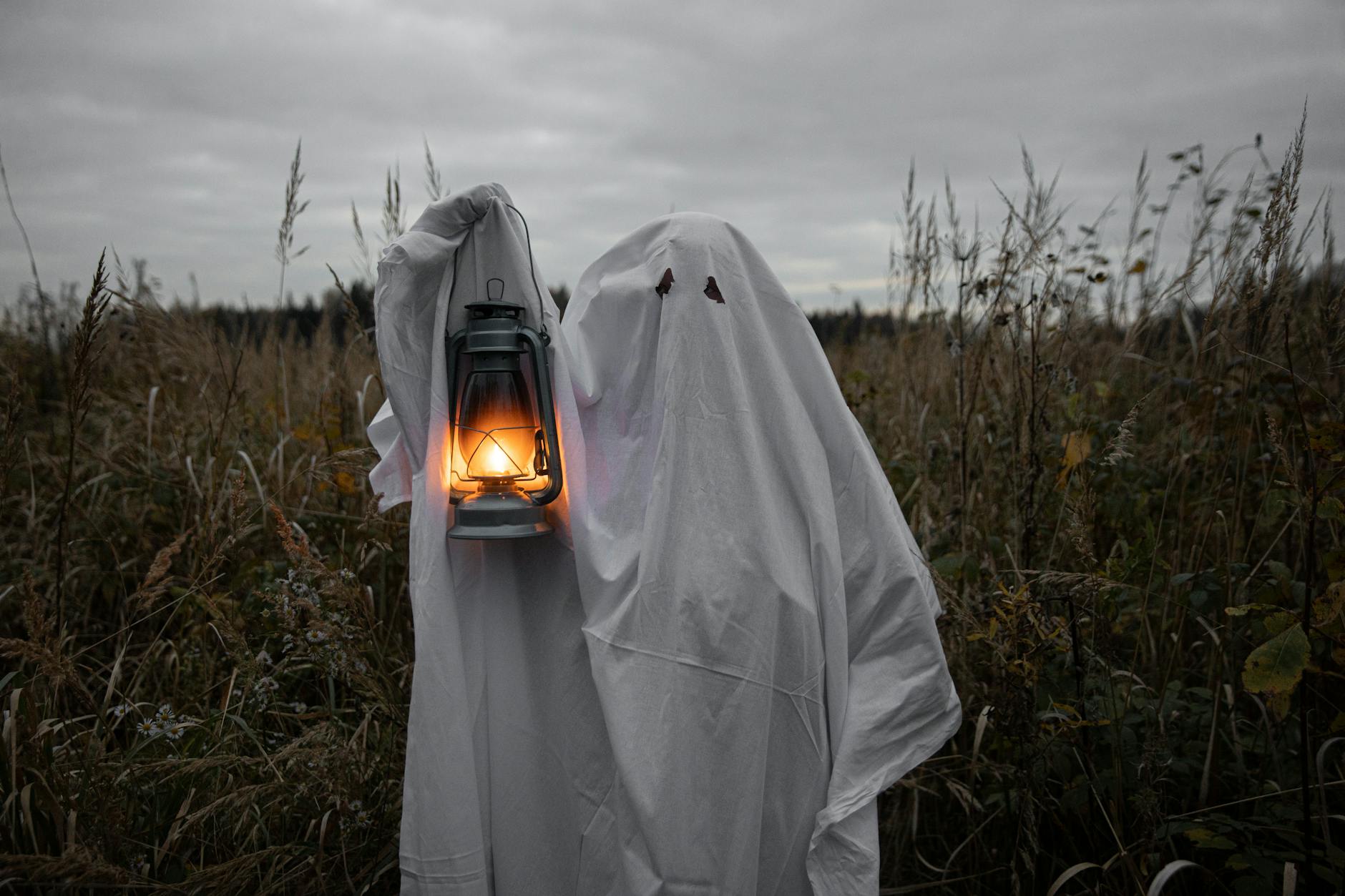
Kwaidan (1964) movie review: four ghosts, one masterpiece
Kwaidan (1964) is Masaki Kobayashi's anthology of Japanese ghost stories, four tales drawn from Lafcadio Hearn's writing and brought to life in colour so deliberate it makes your eyes ache.
-

The Devil Aspect by Craig Russell: book review
The Devil Aspect by Craig Russell is a psychiatric thriller set in an asylum carved into a Bohemian mountaintop, where a young psychologist probes six patients who each claim the same ancient evil. It's a dark, ambitious novel that earns its dread through architecture, history, and genuine menace.
-

The King in Yellow by Robert W. Chambers: book review
The King in Yellow by Robert W. Chambers is the 1895 short fiction collection that weaponised a fictional play and left readers fearing the act of reading itself. Few books in weird fiction earn their reputation this cleanly.
-

Society (1989) movie review: flesh, class, and the shunting
Society (1989) is the Brian Yuzna film that turns Beverly Hills privilege into something literally consuming. It's one of horror's most unhinged satires, and it earns every grotesque inch.
-

Onibaba (1964) movie review: the hole at the world's edge
Onibaba (1964) is the Japanese horror film that builds dread from two women, a pit in the ground, and a single demonic mask. Kaneto Shindo's masterpiece has never been more unsettling than it is today.
-

The House of Last Resort by Christopher Golden: book review
The House of Last Resort by Christopher Golden is the haunted house novel that sends a couple fleeing American failure straight into something far older and far worse in a crumbling Sicilian village.
-
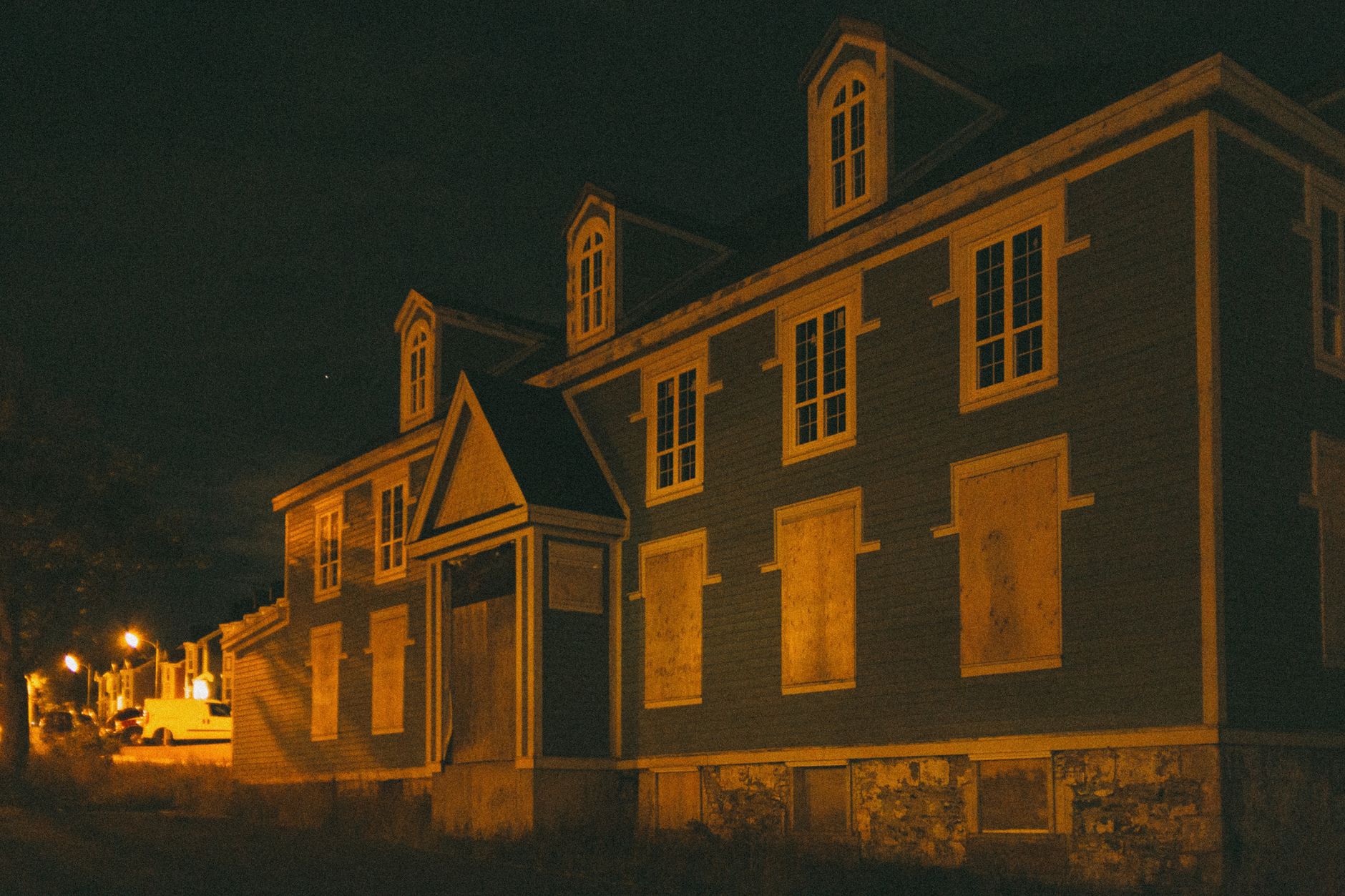
The House of the Seven Gables by Nathaniel Hawthorne: book review
The House of the Seven Gables by Nathaniel Hawthorne is the American Gothic novel that makes inherited guilt feel as heavy and immovable as timber and stone. Hawthorne's 1851 masterpiece still unsettles.
-

The Serpent and the Rainbow (1988) movie review
The Serpent and the Rainbow (1988) is the horror film that took voodoo out of Hollywood kitsch and planted it in Haiti's actual political nightmare. Wes Craven's most grounded, and most disturbing, film.
-

Carnival of Souls (1962) movie review: the dead walk quietly
Carnival of Souls (1962) is the horror film that proves a near-zero budget and a single abandoned pavilion can generate more dread than a Hollywood sound stage. Herk Harvey's only feature still feels like something glimpsed from the corner of your eye.
-

The Little Stranger by Sarah Waters: book review
The Little Stranger by Sarah Waters is the haunted house novel that hides its most frightening thing in plain sight for 500 pages. Waters builds dread not from spectacle but from a narrator you should never quite trust.
-

The Wendigo by Algernon Blackwood: book review
The Wendigo by Algernon Blackwood is the 1910 novella that takes a Canadian wilderness and fills it with something vast, hungry, and utterly indifferent to the men moving through it. It's one of the strangest, most atmospheric pieces of weird fiction ever written.
-
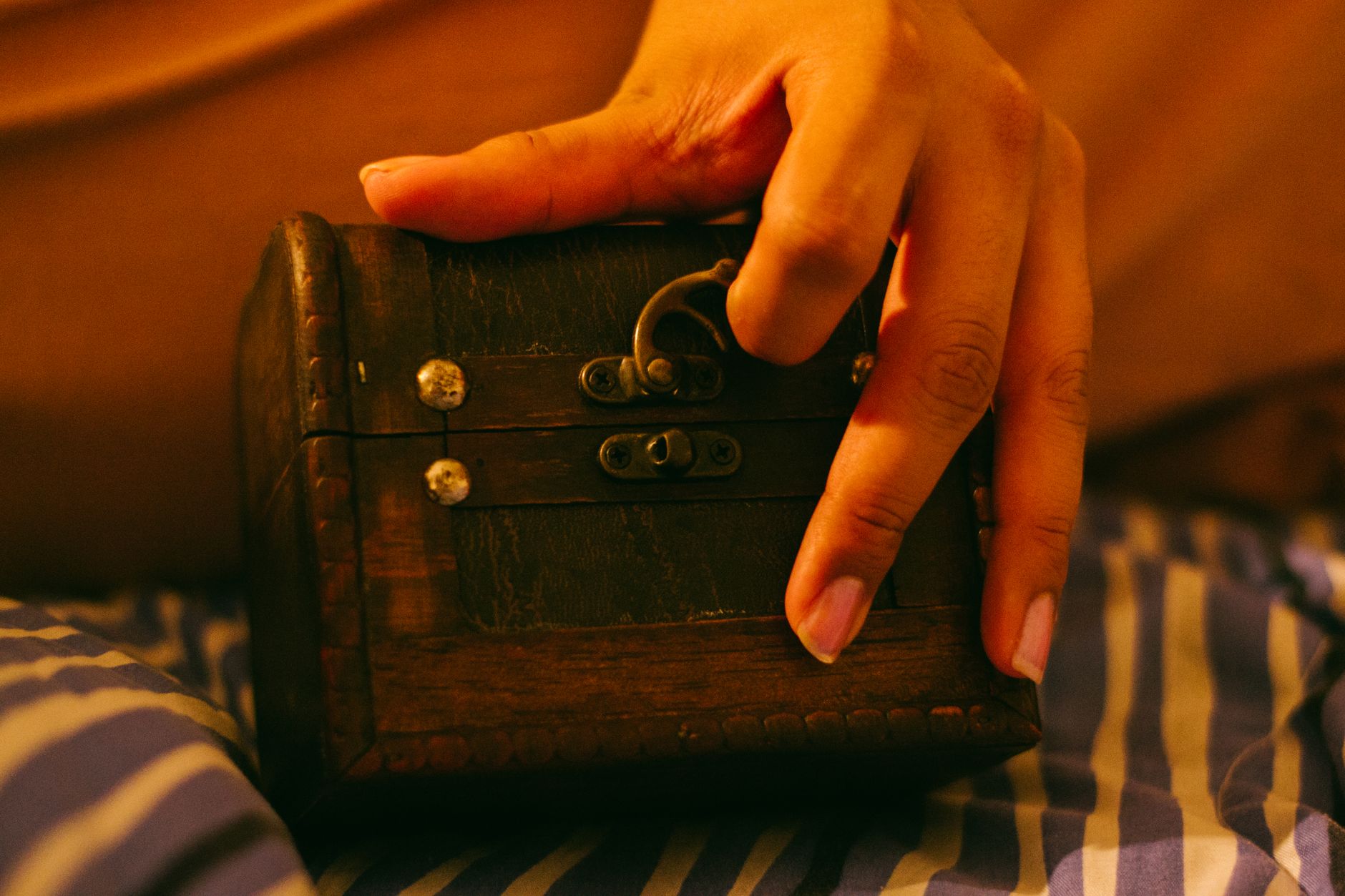
Hellraiser (1987) movie review: Barker's box of pain
Hellraiser (1987) is Clive Barker's debut feature and the film that gave horror its most elegant object of damnation: a small, gold puzzle box that opens doors no one should open.
-

The Great God Pan by Arthur Machen: book review
The Great God Pan by Arthur Machen is the 1894 novella that cracked open a door no one has fully shut since. It's the book that taught horror what it couldn't show.
-

The Lost Boys (1987) movie review: sunburn and fangs
The Lost Boys (1987) is the vampire film that turned a California beach town into a neon-lit hunting ground and made the undead look like the coolest gang in school. It's slicker than it seems, and more dangerous too.
-

Horror of Dracula (1958) movie review: Hammer's blood-red reinvention
Horror of Dracula (1958) is the Hammer film that dragged Bram Stoker's Count into Technicolor and gave him genuine menace. Peter Cushing and Christopher Lee make it one of the finest vampire films ever shot.
-
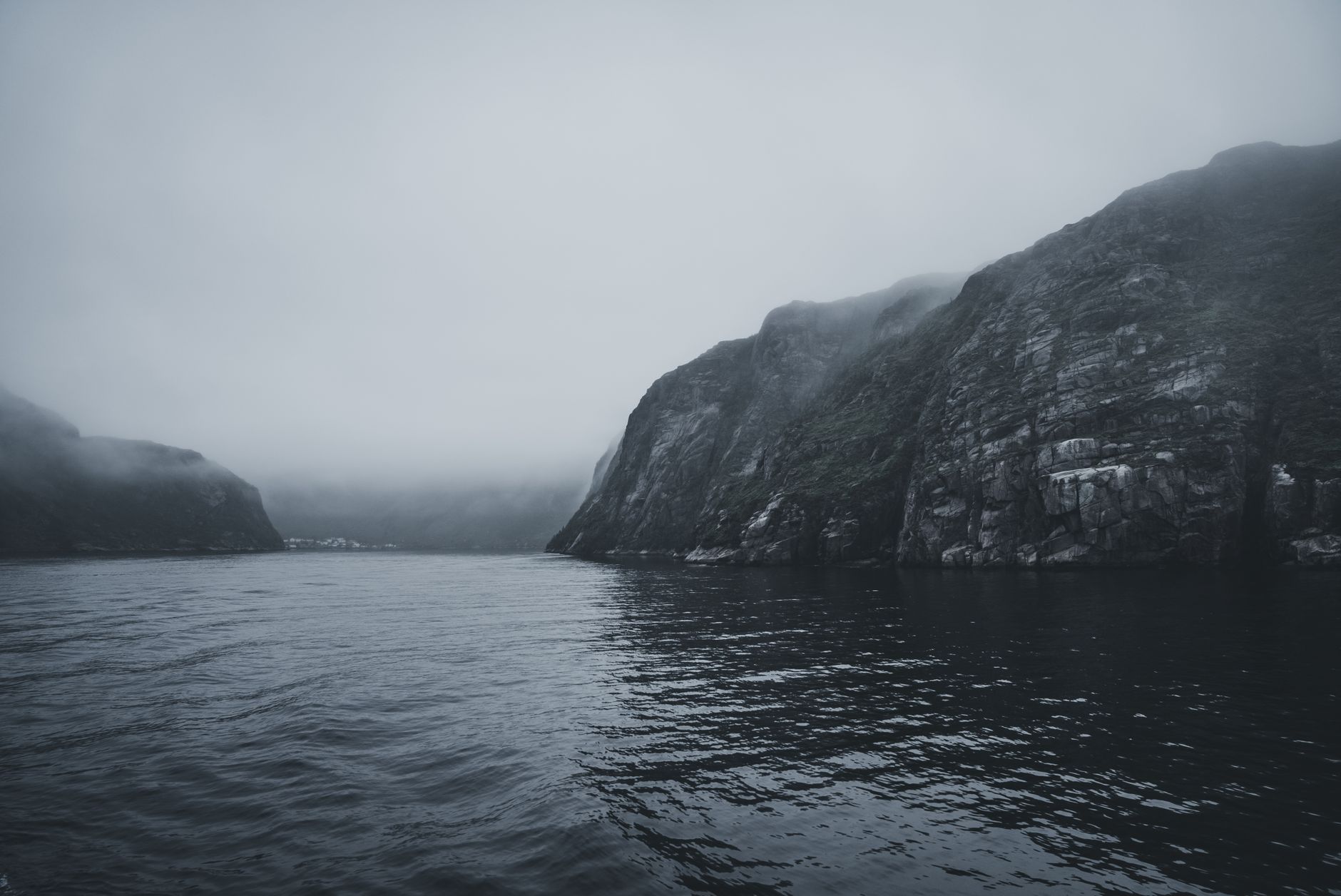
The Southern Reach Trilogy by Jeff VanderMeer: book review
The Southern Reach Trilogy by Jeff VanderMeer is three novels that share a border zone called Area X and absolutely nothing else in terms of what kind of book they want to be. That refusal to repeat itself is exactly what makes the sequence extraordinary.
-

When Evil Lurks (2023) movie review: Argentina's brutalist nightmare
When Evil Lurks (2023) is the Argentine possession film that strips away every ritual, every prayer, every moment of comfort, and replaces them with dread that compounds like interest. Demián Rugna's film is merciless, specific, and almost impossible to shake.
-

The Return of the Living Dead (1985) movie review
The Return of the Living Dead (1985) is the zombie film that made decomposing corpses funny, anarchic, and genuinely frightening all at once. Dan O'Bannon's debut feature rewired the genre and left a crater.
-

The Curse of Frankenstein (1957) movie review
The Curse of Frankenstein (1957) is the film that turned a Victorian mad scientist into a cold, calculating monster in his own right. Hammer Horror's debut feature changed British cinema permanently.
-

Night of the Mannequins by Stephen Graham Jones: book review
Night of the Mannequins by Stephen Graham Jones is the novella that fits in an afternoon and haunts you for a week. It starts as a teen prank story and ends somewhere far stranger and more unsettling.
-

The Night House (2020) movie review: grief as a door left open
The Night House (2020) is the horror film that turns bereavement into architecture. David Bruckner builds a ghost story around a performance so raw it makes the supernatural feel beside the point.
-

Fright Night (1985) movie review: welcome to the neighbourhood
Fright Night (1985) is the vampire film that hides a real bite beneath its knowing grin. Tom Holland's suburban horror-comedy remains one of the smartest genre entries of the decade.
-

Dead of Night (1945) movie review: horror by committee
Dead of Night (1945) is the British anthology that proved five directors and one unforgettable ventriloquist dummy could build something more frightening than most single films dare to be.
-

Don't Fear the Reaper by Stephen Graham Jones: book review
Don't Fear the Reaper by Stephen Graham Jones is the middle chapter of the Indian Lake Trilogy, and it hits harder than a slasher sequel has any right to. Jones brings back Jade Daniels and makes everything worse, in the best possible way.
-

Saint Maud (2019) movie review: a saint in her own mind
Saint Maud (2019) is the British horror film that turns a hospice nurse's faith into the most frightening thing on screen. Rose Glass's debut is precise, compassionate, and deeply unsettling.
-

Re-Animator (1985) movie review: gloriously unhinged mad science
Re-Animator (1985) is the film that turned H.P. Lovecraft into a splatter comedy and somehow made it work. Stuart Gordon's debut feature is still one of the most purely entertaining horror films ever made.
-
The Body Snatcher (1945) movie review: Lewton's quietest nightmare
The Body Snatcher (1945) is the Val Lewton production that turns grave robbery into a philosophical argument about power and complicity. Boris Karloff has never been quieter or more frightening.
-

My Heart Is a Chainsaw by Stephen Graham Jones: book review
My Heart Is a Chainsaw by Stephen Graham Jones is the slasher novel that loves the genre deeply enough to cut it open. It's a book about a girl who knows every horror rule and discovers they won't save her.
-
The Killing of a Sacred Deer (2017) movie review
The Killing of a Sacred Deer (2017) is the horror film that disguises a Greek tragedy as a suburban medical thriller, then refuses to let you look away. Yorgos Lanthimos builds a trap so precise it clicks shut before you notice it's there.
-
Christine (1983) movie review: King's car from hell
Christine (1983) is the film that turned a 1958 Plymouth Fury into the most jealous, murderous presence in suburban horror. John Carpenter's adaptation of Stephen King's novel still has teeth.
-
Cat People (1942) movie review: Val Lewton's shadow cinema
Cat People (1942) is the film that proved a swimming pool, a set of footsteps, and total darkness could be more frightening than anything a studio monster budget could buy. Val Lewton changed horror with this one.
-

The Good House by Tananarive Due: book review
The Good House by Tananarive Due is the haunted house novel that takes a grandmother's legacy, a family's grief, and the accumulated weight of Black folk tradition and turns them into something that breathes. It's one of the best supernatural novels of the 2000s.
-

Raw (2016) movie review: hunger as horror
Raw (2016) is the French-Belgian body horror film that turns a veterinary school hazing ritual into something primal, precise, and deeply unsettling. Julia Ducournau's debut is one of the most assured first features in modern horror.
-

Videodrome (1983) movie review: Cronenberg's signal from the flesh
Videodrome (1983) is the film where David Cronenberg asked what television was doing to the human body and answered with a gun that grows into a hand. It's his most uncompromising work.
-

I Walked with a Zombie (1943) movie review
I Walked with a Zombie (1943) is the horror film that replaces screams with silence and fog, and turns a colonial sugar plantation into a moral maze. Val Lewton and Jacques Tourneur made something genuinely strange here.
-

Come Closer by Sara Gran: book review
Come Closer by Sara Gran is a possession novel that fits in a coat pocket and lodges in the brain for weeks. It's one of the most quietly disturbing books in modern horror fiction.
-

The Invitation (2015) movie review: dread at the dinner table
The Invitation (2015) is the horror film that turns a dinner party into a sustained act of psychological cruelty. Karyn Kusama's slow-burn masterwork asks one quiet, devastating question: how much wrong can you rationalize before it's too late?
-
The Howling (1981) movie review: Joe Dante's werewolf reinvention
The Howling (1981) is the werewolf film that refused to play it safe. Joe Dante's sharp, self-aware creature feature remains one of the genre's most inventive entries, 45 years on.
-
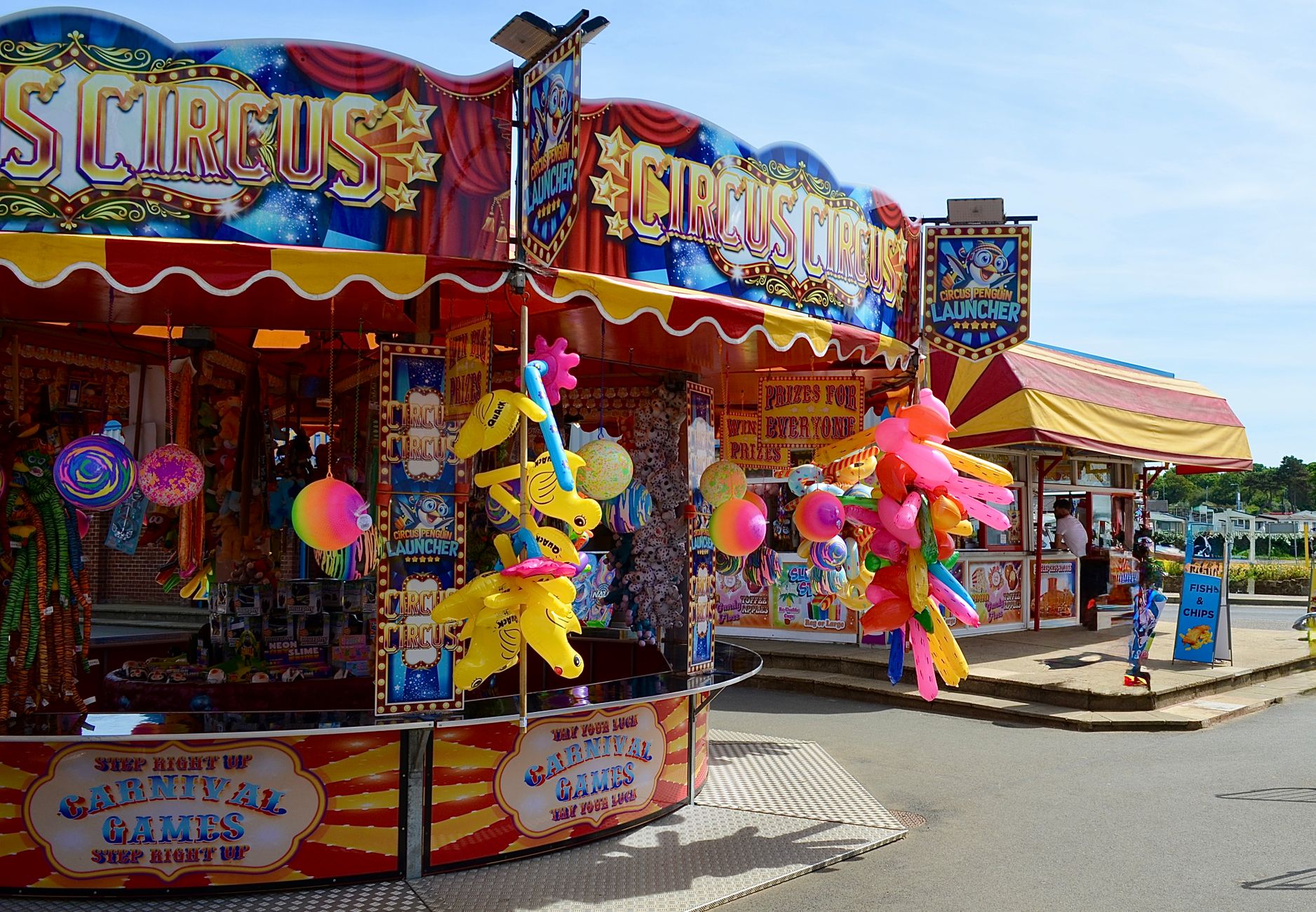
Freaks (1932) movie review: Tod Browning's act of defiance
Freaks (1932) is the Tod Browning film that turned a circus sideshow into one of horror cinema's most pointed moral arguments. Hollywood tried to bury it. It survived.
-

Black Mouth by Ronald Malfi: book review
Black Mouth by Ronald Malfi is the horror novel that sends three damaged adults back to the summer that broke them, chasing a memory that might be a monster. It's one of Malfi's most ambitious books.
-

Sinister (2012) movie review: true crime as a haunted house
Sinister (2012) is the horror film that turns a true-crime writer's obsession into the most effective haunted house premise in 2010s mainstream horror. Scott Derrickson's film found a monster that fit perfectly inside a projector.
-

The Fog (1980) movie review: Carpenter's coastal ghost story
The Fog (1980) is the John Carpenter film that proves a wall of glowing mist can be more frightening than any slasher on screen. It's a ghost story built on atmosphere first and gore last.
-
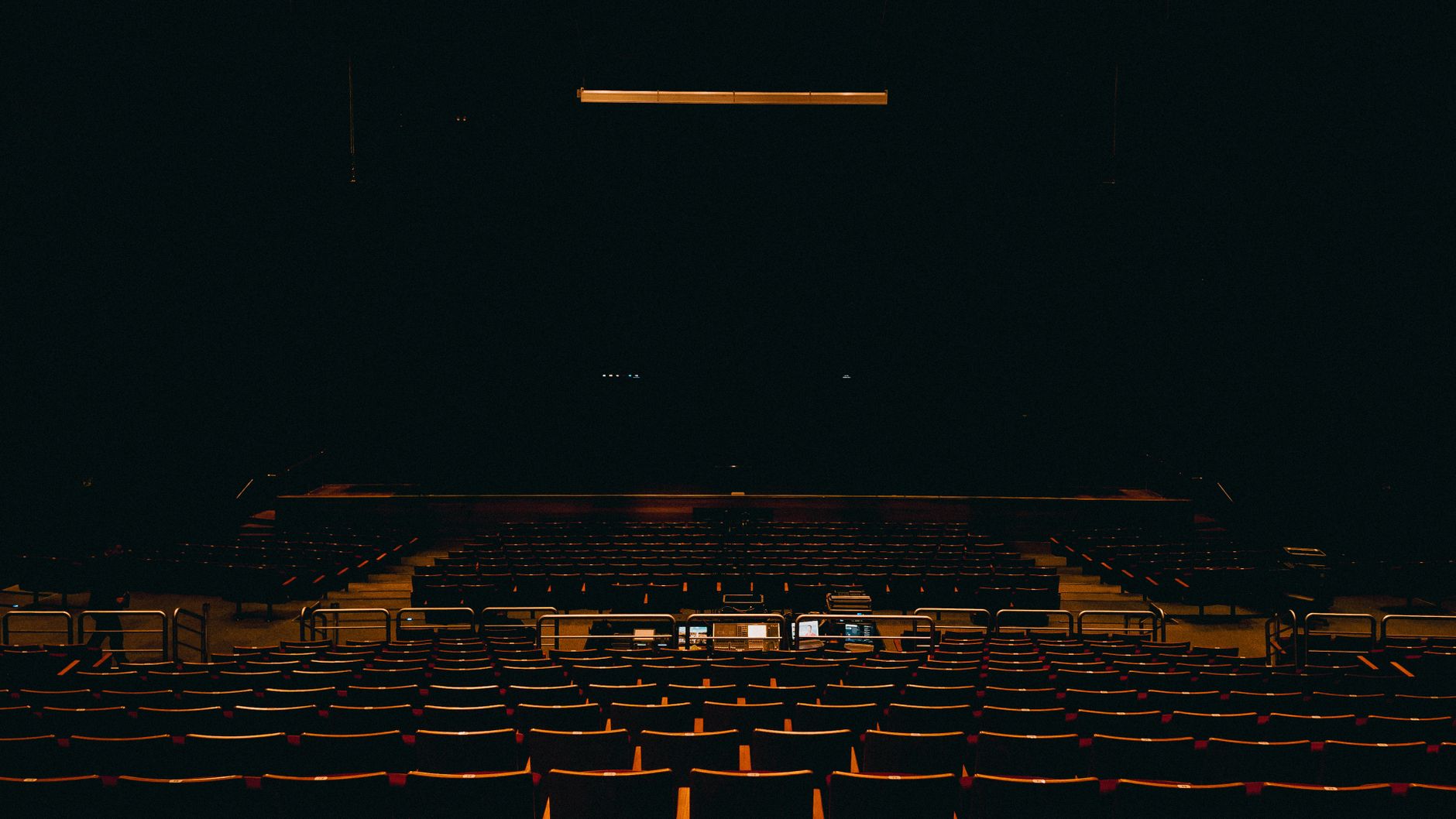
The Phantom of the Opera (1925) movie review
The Phantom of the Opera (1925) is the silent film that proved horror could live in a human face. Lon Chaney's performance beneath the Paris Opéra is still one of the most visceral things cinema has produced.
-
The Immaculate Void by Brian Hodge: book review
The Immaculate Void by Brian Hodge is cosmic horror that refuses to rush its own annihilation. It's a book about how much the universe doesn't care, and it makes that case with genuine literary force.
-

The Cabin in the Woods (2011) movie review
The Cabin in the Woods (2011) is the horror film that took genre conventions apart and made the machinery itself the monster. Drew Goddard and Joss Whedon built something both smart and genuinely frightening.
-

The Brood (1979) movie review: Cronenberg's anatomy of rage
The Brood (1979) is the film where David Cronenberg turned a bitter divorce into a body horror manifesto. It remains one of the most viscerally upsetting films he ever made, and also the most nakedly confessional.
-

Häxan (1922) movie review: witchcraft as waking fever
Häxan (1922) is the silent horror film that blurs the line between scholarship and nightmare. Benjamin Christensen's Swedish-Danish production remains one of the strangest and most visceral films ever made.
-

The Open Curtain by Brian Evenson: book review
The Open Curtain by Brian Evenson is the novel that turns religious identity into something fractured and lethal. It's one of the most unsettling pieces of literary horror published in the last two decades.
-
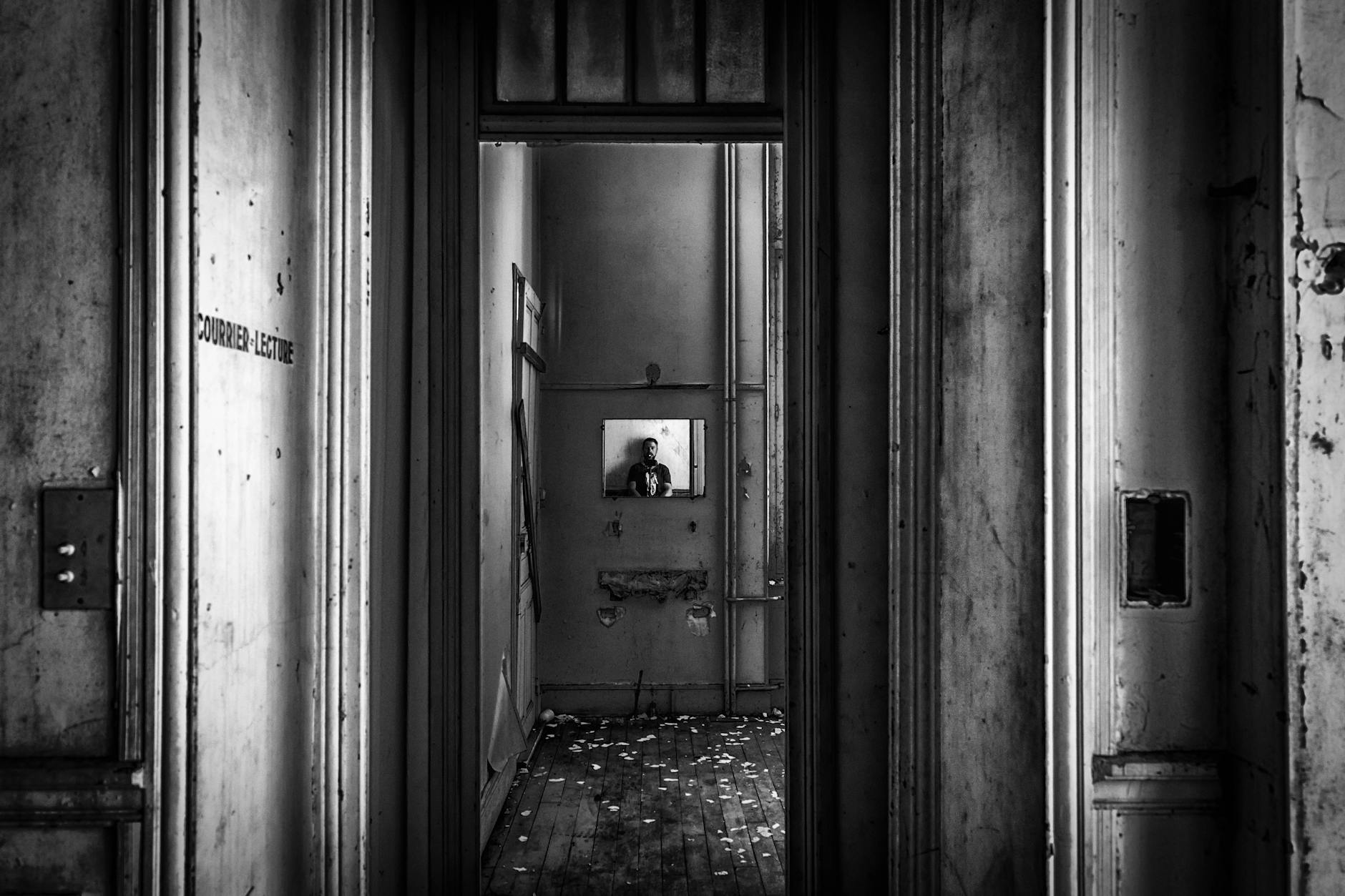
The House of the Devil (2009) movie review: patience as horror
The House of the Devil (2009) is the horror film that made doing nothing feel catastrophic. Ti West's Satanic babysitter thriller is an exercise in pure, sustained dread.
-

When a Stranger Calls (1979) movie review: the babysitter, the phone, the dark
When a Stranger Calls (1979) is the film that turned a babysitting job into a masterclass in telephone dread, then had to figure out what to do next. Fred Walton's horror debut is uneven, but its first act is close to perfect.
-

Vampyr (1932) movie review: Dreyer's waking nightmare
Vampyr (1932) is the horror film that treats waking life as no safer than a dream. Carl Theodor Dreyer's strange, half-silent masterpiece remains one of the most genuinely disorienting experiences in cinema.
-

Last Days by Brian Evenson: book review
Last Days by Brian Evenson is the novella that turns body horror into a theological argument and leaves you unable to shake either. It's one of the most disturbing short novels in contemporary American fiction.
-

Martyrs (2008) movie review: Pascal Laugier's unforgiving vision
Martyrs (2008) is the French extreme horror film that tears through genre convention and leaves something genuinely philosophical in its wreckage. Pascal Laugier made a film that earns its brutality and then asks what you did with it.
-

Phantasm (1979) movie review: Coscarelli's dream logic nightmare
Phantasm (1979) is the horror film that made a small-town funeral home feel like a portal to somewhere else entirely. Don Coscarelli's low-budget debut is one of the strangest, most genuinely unsettling American horror films ever made.
-

Nosferatu the Vampyre (1979) movie review: Herzog's haunted elegy
Nosferatu the Vampyre (1979) is the vampire film that treats the undead not as a monster to be defeated but as a curse to be mourned. Werner Herzog's remake is one of the most beautiful and genuinely desolate horror films ever made.
-

The Ceremonies by T.E.D. Klein: book review
The Ceremonies by T.E.D. Klein is the novel that proves cosmic horror doesn't need a monster on every page. It needs dread that accumulates like sediment, and Klein is its master architect.
-

The House on the Borderland by William Hope Hodgson: book review
The House on the Borderland by William Hope Hodgson is the novel that dissolves time itself and leaves you staring into something genuinely cosmic. Published in 1908, it reads like nothing before or after it.
-

The Night Land by William Hope Hodgson: book review
The Night Land by William Hope Hodgson is a 1912 novel that imagines the end of the sun and everything that crawls out of the dark after. It's one of the most ambitious and genuinely alien visions in all of horror fiction.
-

The Willows by Algernon Blackwood: book review
The Willows by Algernon Blackwood is the novella that strips cosmic horror down to reeds, river water, and the feeling that something is noticing you. Published in 1907, it has never stopped being frightening.
-

The White People and other weird stories by Arthur Machen: book review
The White People and Other Weird Stories by Arthur Machen is the collection that proves genuine weirdness can't be faked or rushed. Machen's tales feel like they were written by someone who had seen something they couldn't explain and spent a lifetime trying to.
-

Songs of a Dead Dreamer by Thomas Ligotti: book review
Songs of a Dead Dreamer by Thomas Ligotti is the debut short fiction collection that turned despair into a literary art form. It's the book where philosophical pessimism and cosmic horror became the same sentence.
-
Teatro Grottesco by Thomas Ligotti: book review
Teatro Grottesco by Thomas Ligotti is the short fiction collection where pessimism stops being a mood and becomes a world-system. It's the closest Ligotti has come to a definitive statement.
-

The Gone World by Tom Sweterlitsch: book review
The Gone World by Tom Sweterlitsch is the novel where a murder investigation spirals into something vast, cold, and genuinely terrifying. It's science fiction that earns its horror label.
-

The Last House on Needless Street by Catriona Ward: book review
The Last House on Needless Street by Catriona Ward is the horror novel that turns an unreliable narrator into a structural weapon. It's disturbing, formally audacious, and nearly impossible to put down.
-

Looking Glass Sound by Catriona Ward: book review
Looking Glass Sound by Catriona Ward is a horror novel that folds in on itself like a bad dream you keep re-entering. Ward's most formally ambitious work yet, it's the kind of book that changes what you thought you'd just read.
-

The Hollow Places by T. Kingfisher: book review
The Hollow Places by T. Kingfisher is a cosmic horror novel that hides something genuinely terrifying behind a roadside curiosity museum. It's funny, fast, and frightening in equal measure.
-

The Twisted Ones by T. Kingfisher: book review
The Twisted Ones by T. Kingfisher is the folk horror novel that turns a grandmother's hoarded farmhouse into a doorway to something ancient and wrong. It's funny, frightening, and hard to put down.
-

What Moves the Dead by T. Kingfisher: book review
What Moves the Dead by T. Kingfisher is a lean, mycologically unsettling retelling of Poe's "The Fall of the House of Usher" that finds new horror in the rot beneath the surface.
-
The Devil in Silver by Victor LaValle: book review
The Devil in Silver by Victor LaValle is the horror novel that turns a psychiatric ward into something monstrous, then asks who the real monster is. It's angry, funny, and devastating in equal measure.
-

The Changeling by Victor LaValle: book review
The Changeling by Victor LaValle is the horror novel that takes the oldest fear in folklore and plants it squarely in modern New York City. It's a dark fairy tale about parenthood, grief, and what we refuse to believe until it's too late.
-

The September House by Carissa Orlando: book review
The September House by Carissa Orlando is the debut haunted house novel that turns a wife's refusal to leave her dream home into one of the most surprising horror reads in recent memory. It's funny, dark, and genuinely chilling.
-

Diavola by Jennifer Thorne: book review
Diavola by Jennifer Thorne is folk horror set on a scorched Italian island, where a dysfunctional family holiday becomes a confrontation with something old and hungry. It's sharp, funny, and genuinely unsettling.
-

Lone Women by Victor LaValle: book review
Lone Women by Victor LaValle is the horror novel that takes the American West and fills it with secrets no homestead can contain. It's fierce, strange, and built around one of the genre's most compelling protagonists in years.
-

The Reformatory by Tananarive Due: book review
The Reformatory by Tananarive Due is the horror novel that uses Jim Crow Florida as the scaffold for something vast, devastating, and genuinely terrifying. It's one of the most important American horror novels of the past decade.
-

The Between by Tananarive Due: book review
The Between by Tananarive Due is the debut novel that fuses psychological horror with a Black man's grief and the very specific terror of being caught between worlds. It's quiet, precise, and unsettling in ways that stay with you.
-

The Drowning Girl by Caitlín R. Kiernan: book review
The Drowning Girl by Caitlín R. Kiernan is a ghost story told by a woman who openly doubts her own memory. It's one of the most formally daring horror novels of the past two decades.
-
The Book of M by Peng Shepherd: book review
The Book of M by Peng Shepherd is the post-apocalyptic novel where shadows stop appearing and memories begin to vanish with them. It's one of the most emotionally devastating horror debuts in recent memory.
-

The Library at Mount Char by Scott Hawkins: book review
The Library at Mount Char by Scott Hawkins is the debut novel that fuses cosmic horror, mythological brutality, and dark fantasy into something genuinely unlike anything else on the shelf. It's ferocious, funny, and deeply strange.
-

The Devil Takes You Home by Gabino Iglesias: book review
The Devil Takes You Home by Gabino Iglesias is the novel that fuses cartel crime fiction with folk horror and raw grief into something that hits like a fist. It's one of the most urgent voices in contemporary horror fiction.
-

The Boatman's Daughter by Andy Davidson: book review
The Boatman's Daughter by Andy Davidson is the novel that turns an Arkansas bayou into something ancient, feverish, and deeply strange. It's Southern Gothic horror with real teeth.
-

The Black Maybe by Attila Veres: book review
The Black Maybe by Attila Veres is the short fiction collection that proves Eastern European folk horror has a grammar all its own. It's quiet, cumulative, and genuinely unsettling.
-

The Southern Book Club's Guide to Slaying Vampires: book review
The Southern Book Club's Guide to Slaying Vampires by Grady Hendrix is the horror novel that uses neighbourhood politeness as a weapon against its own characters. Grady Hendrix has never been sharper.
-

We Used to Live Here by Marcus Kliewer: book review
We Used to Live Here by Marcus Kliewer is the debut novel that turns a simple home renovation into something quietly, persistently wrong. It's haunted-house horror with a genuinely unsettling grip.
-

The Haar by David Sodergren: book review
The Haar by David Sodergren is Scottish coastal horror built around a single, devastating image: the sea fog that rolls in off the North Sea and doesn't roll back. It's lean, mean, and genuinely unsettling.
-

Maggie's Grave by David Sodergren: book review
Maggie's Grave by David Sodergren plants folk horror in the Scottish countryside and lets it rot. It's the novel where Sodergren proves rural dread is his sharpest tool.
-

The Only One Left by Riley Sager: book review
The Only One Left by Riley Sager is a Lizzie Borden-style mystery wrapped in gothic atmosphere and enough plot twists to keep you reading past midnight. Here's how it holds up.
-

The Ballad of Black Tom by Victor LaValle: book review
The Ballad of Black Tom by Victor LaValle takes one of Lovecraft's most racist stories and rebuilds it from the inside out. It's a cosmic horror novella that earns its anger.
-

The Elementals by Michael McDowell: book review
The Elementals by Michael McDowell is the novel that turns a Gulf Coast summer into something ancient and hungry. It's the finest piece of Southern Gothic horror most readers have never picked up.
-

The Lesser Dead by Christopher Buehlman: book review
The Lesser Dead by Christopher Buehlman is the vampire novel that takes the glamour of the undead and drags it, snarling, through the New York City subway. It's funny, brutal, and unexpectedly devastating.
-

The Wide Carnivorous Sky by John Langan: book review
The Wide Carnivorous Sky by John Langan is the short fiction collection that proves horror and literary ambition aren't just compatible: they're inseparable. Langan writes monsters that mean something.
-

The Secret of Ventriloquism by Jon Padgett: book review
The Secret of Ventriloquism by Jon Padgett is the short fiction collection that turns the human voice into the most frightening instrument imaginable. It's weird horror at its most disciplined and most disturbing.
-

Experimental Film by Gemma Files: book review
Experimental Film by Gemma Files is the horror novel that turns a dead filmmaker's lost reels into something ancient and genuinely threatening. It's folk horror filtered through cinephilia, and it's unlike almost anything else in the genre.
-

The Red Tree by Caitlín R. Kiernan: book review
The Red Tree by Caitlín R. Kiernan is the horror novel that makes uncertainty itself the monster. It's a book about grief, obsession, and the stories we tell to survive them.
-

The Grip of It by Jac Jemc: book review
The Grip of It by Jac Jemc is the haunted house novel that turns domestic unease into something that grows under your skin. It's quiet, relentless, and genuinely strange.
-

House of Leaves by Mark Z. Danielewski: book review
House of Leaves by Mark Z. Danielewski is the novel that turned typography itself into a source of dread. More than two decades after its publication, it remains the most formally inventive horror book ever written.
-

The Troop by Nick Cutter: book review
The Troop by Nick Cutter is the novel that makes hunger feel like a living thing with teeth. It's body horror at its most merciless, wrapped around a story about boys becoming something worse than animals.
-

The Only Good Indians by Stephen Graham Jones: book review
The Only Good Indians by Stephen Graham Jones is the horror novel that turns a hunting mistake into a decade-long reckoning. It's terrifying, tender, and unlike anything else in the genre.
-

Between Two Fires by Christopher Buehlman: book review
Between Two Fires by Christopher Buehlman is the horror novel that sends a disgraced knight, a feral orphan girl, and a rogue priest through a plague-ravaged France that Hell is actively trying to claim. It's magnificent.
-

The Ruins by Scott Smith: book review
The Ruins by Scott Smith is the novel that turns a wrong turn in Mexico into one of the most suffocating survival horror experiences in modern fiction. It doesn't need a monster you can name.
-

The Cipher by Kathe Koja: book review
The Cipher by Kathe Koja is the horror novel that turned a hole in a storage room floor into the most terrifying object in American fiction. It's body horror, cosmic dread, and psychological collapse fused into one relentless voice.
-

Negative Space by B.R. Yeager: book review
Negative Space by B.R. Yeager is the horror novel that turns a small town's drug epidemic into a portal to something far worse. It's one of the most disturbing debuts in recent American horror fiction.
-

The Croning by Laird Barron: book review
The Croning by Laird Barron is the novel that turns old age into a front-row seat at the end of everything. It's cosmic horror built on dread, not spectacle.
-

The Lighthouse (2019) movie review: Eggers at the edge of reason
The Lighthouse (2019) is the film that proved isolation doesn't need a haunted house to feel supernatural. Robert Eggers strands two men on a rock and lets the sea do its worst.
-

Possession (1981) movie review: Żuławski's marriage from hell
Possession (1981) is the film that turns a collapsing marriage into something monstrous, literal, and utterly unclassifiable. Andrzej Żuławski's Berlin nightmare remains one of the most intense viewing experiences in horror history.
-
The Changeling (1980) movie review: a haunting that earns its dread
The Changeling (1980) is the ghost story that proves a single bouncing ball can be more frightening than anything a special-effects budget can buy. Peter Medak's film has never stopped haunting.
-

Jacob's Ladder (1990) movie review: a descent into beautiful terror
Jacob's Ladder (1990) is the psychological horror film that proved the scariest place in cinema is the inside of a grieving mind. Adrian Lyne's portrait of a Vietnam veteran unravelling reality still hits like a fever dream.
-

The Innocents (2021) movie review: children as the cruelest monsters
The Innocents (2021) is the horror film that asks what cruelty looks like before a conscience forms. Eskil Vogt's Norwegian chiller is patient, precise, and deeply disturbing.
-

Pearl (2022) movie review: Ti West's blazing origin story
Pearl (2022) is the horror film that dresses a monster's origin in the colours of a 1940s melodrama, then lets Mia Goth tear the whole thing apart from the inside.
-

Barbarian (2022) movie review: the basement you won't forget
Barbarian (2022) is the horror film that makes you distrust every locked door you've ever walked past. Zach Cregger's debut feature is a masterclass in structural misdirection, and it only gets worse the deeper it goes.
-

The Fisherman by John Langan book review
The Fisherman by John Langan is the novel that proves grief and cosmic horror belong in the same sentence. It's one of the finest pieces of weird fiction published this century.
-

Candyman (1992) movie review: a myth that bites back
Candyman (1992) is the horror film that turned a graduate thesis into a death sentence. Bernard Rose's adaptation of Clive Barker's short story remains one of the most intellectually and viscerally sharp films the genre ever produced.
-

The Descent (2005) movie review: Neil Marshall's masterwork of claustrophobic dread
The Descent (2005) is the horror film that proved the most terrifying place on earth isn't a haunted house or a dark street. It's underground, in the dark, with no way out.
-

Audition (1999) movie review: Miike's slow-burn devastation
Audition (1999) is the film that disguises itself as a quiet romance for an hour before becoming one of the most disturbing experiences in modern horror. Takashi Miike's patience is the weapon.
-

[REC] (2007) movie review: found footage at its most feral
[REC] (2007) is the found-footage horror film that proved a single Barcelona apartment block could be the most claustrophobic place in cinema. Balagueró and Plaza's collaboration is still the benchmark.
-

Train to Busan (2016) movie review: zombie horror on the rails
Train to Busan (2016) is the zombie film that proved a speeding train and a father's guilt could carry as much dread as any haunted house. Yeon Sang-ho's Korean thriller remains one of the genre's great achievements.
-

The Autopsy of Jane Doe (2016) movie review
The Autopsy of Jane Doe (2016) is the horror film that turned a single examination room into one of the most suffocating spaces in recent genre cinema. André Øvredal's morgue thriller is almost perfectly engineered.
-

Talk to Me (2022) movie review: possession horror at its rawest
Talk to Me (2022) is the possession film that turned a party trick into a death spiral. The Philippou brothers made one of the most visceral horror debuts in years, and it holds up to every rewatch.
-

The Wailing (2016) movie review: Na Hong-jin's sprawling, devastating nightmare
The Wailing (2016) is the horror film that refuses to let you find solid ground. Na Hong-jin builds a mystery so layered it doesn't just unsettle you, it dismantles your certainty entirely.
-

The Others (2001) movie review: Amenábar's slow-burn masterpiece
The Others (2001) is the ghost story that proves silence and shadow are more frightening than anything a special-effects budget can buy. Alejandro Amenábar's gothic thriller is still one of the finest horror films of its era.
-

The Conjuring (2013) movie review: Wan's old-school haunting
The Conjuring (2013) is the film that proved a haunted-house story didn't need a new trick, just a director willing to execute the old ones with total conviction.
-

Midsommar (2019) movie review: horror in broad daylight
Midsommar (2019) is the horror film that proved the most unsettling place to set a nightmare is somewhere impossibly bright. Ari Aster's follow-up to Hereditary turns a Swedish summer festival into a waking hell.
-

Get Out (2017) movie review: Peele's precision-cut horror
Get Out (2017) is the horror film that turned a weekend in the country into one of the most politically precise nightmares in modern cinema. Jordan Peele's debut is as funny as it is terrifying.
-
The Omen (1976) movie review: the devil in a school uniform
The Omen (1976) is the film that made a five-year-old boy the most frightening presence in cinema. Richard Donner's Antichrist thriller earns every frame of its dread.
-
The Innocents (1961) movie review: ghosts you can't unsee
The Innocents (1961) is the ghost story that refuses to confirm its own ghosts. Jack Clayton's adaptation of Henry James keeps you doubting every frame until the credits roll.
-

The Haunting (1963) movie review: Robert Wise's masterclass in invisible dread
The Haunting (1963) is the ghost story that never shows you a single ghost. Robert Wise's adaptation of Shirley Jackson's novel remains one of the most effective horror films ever committed to celluloid.
-

An American Werewolf in London (1981) movie review
An American Werewolf in London (1981) is the horror film that made transformation itself the scariest thing on screen. John Landis built something genuinely funny and genuinely terrifying in the same breath.
-

Ringu (1998) movie review: the curse that changed horror
Ringu (1998) is the film that turned a videotape into a death sentence and made a static-filled television screen the most unsettling object in any room. Hideo Nakata's landmark J-horror still delivers.
-
Scream (1996) movie review: Wes Craven's knowing cut
Scream (1996) is the film that used the rulebook of the slasher genre as both its weapon and its punchline. Wes Craven's self-aware horror remains one of the sharpest, most purely entertaining fright films ever made.
-

A Nightmare on Elm Street (1984) movie review
A Nightmare on Elm Street (1984) is the film that made sleep itself the enemy. Wes Craven's dream-logic slasher gave horror a villain unlike anything that had come before.
-

The Evil Dead (1981) movie review: Raimi's raw nerve
The Evil Dead (1981) is the film that proved a 22-year-old with a borrowed camera and a Michigan cabin could terrify the world. Sam Raimi's debut still hasn't lost its bite.
-
Dawn of the Dead (1978) movie review: Romero's savage mall
Dawn of the Dead (1978) is the film that turned a shopping mall into the most bleakly funny location in horror history. Romero's follow-up to Night of the Living Dead is bigger, bloodier, and far angrier.
-

The Fly (1986) movie review: Cronenberg's body horror masterpiece
The Fly (1986) is the film that turned cellular decay into heartbreak. David Cronenberg's remake is as much a tragedy as a horror movie, and that's exactly what makes it stick.
-

It Follows (2014) movie review: dread on a slow walk
It Follows (2014) is the horror film that turned a curse into a shape: something walking toward you, patient as gravity, never stopping. David Robert Mitchell's debut is a masterclass in sustained dread.
-

Let the Right One In (2008) movie review: cold, quiet terror
Let the Right One In (2008) is the vampire film that stripped the genre back to its most unsettling core: loneliness, violence, and a friendship that should not exist.
-

Night of the Living Dead (1968) movie review: Romero's ground zero
Night of the Living Dead (1968) is the film that invented the modern zombie and turned a Pennsylvania farmhouse into the most terrifying place in cinema. George Romero spent $114,000 and changed horror forever.
-

The Witch (2015) movie review: folk horror distilled
The Witch (2015) is the film that strips folk horror down to its bones: a family alone in the woods, a God who doesn't answer, and something at the tree line that does. Robert Eggers' debut remains a landmark of the genre.
-
The Blair Witch Project (1999) movie review
The Blair Witch Project (1999) is the film that made not seeing something more frightening than any creature ever shown on screen. Nearly three decades on, it still works.
-

Nosferatu (1922) movie review: the shadow that started it all
Nosferatu (1922) is the film that gave horror its first truly iconic monster and proved that shadow alone could terrify. More than a century later, F.W. Murnau's masterwork still unsettles.
-
Suspiria (1977) movie review: Argento's colour-drenched nightmare
Suspiria (1977) is the film that proved horror could function as pure sensation. Dario Argento's witchcraft nightmare remains one of cinema's most visually overwhelming experiences.
-

The Cabinet of Dr. Caligari (1920) movie review
The Cabinet of Dr. Caligari (1920) is the film that proved horror lives in the shape of a room, not just what moves through it. Over a century later, it still tilts the world sideways.
-

The Babadook (2014) movie review: grief made flesh
The Babadook (2014) is the film that turned depression into a top hat and coat. Jennifer Kent's debut feature is one of the most emotionally honest horror films ever made.
-
The Ring (2002) movie review: dread on a deadline
The Ring (2002) is the film that made a ringing telephone the most frightening sound in cinema. Gore Verbinski's remake of Hideo Nakata's Ringu transformed J-horror for Western audiences and hasn't lost a frame of its power.
-

The Texas Chain Saw Massacre (1974) movie review
Tobe Hooper shot The Texas Chain Saw Massacre (1974) on a shoestring and created something that still feels dangerous. This review explains what makes it so hard to shake.
-

Alien (1979) movie review: the slow burn that rewired horror
Alien (1979) is the film that proved outer space was the perfect horror setting, not because it's vast, but because there's nowhere to run. Ridley Scott's landmark still holds up.
-

The Thing (1982) movie review: Carpenter's frozen nightmare
The Thing (1982) is the film that made trust itself feel deadly. John Carpenter's Antarctic horror remains one of the most perfectly engineered paranoia machines in cinema history.
-

Halloween (1978) movie review: Carpenter's quiet terror
Halloween (1978) is the film that made suburban silence feel lethal. Nearly five decades on, John Carpenter's low-budget masterpiece still holds the genre's gold standard for dread without gore.
-

Rosemary's Baby (1968) movie review: Polanski's slow dread
Rosemary's Baby (1968) is the film that proved horror didn't need a monster you could see. Roman Polanski's adaptation of Ira Levin's novel turns domesticity itself into something suffocating.
-

The Silence of the Lambs (1991) movie review
The Silence of the Lambs (1991) is the film that proved a conversation could be more terrifying than a chase. Jonathan Demme's Oscar-winning thriller remains one of cinema's most precise studies in dread.
-

Hereditary (2018) movie review: grief as a haunted house
Hereditary (2018) is the film that treats grief as a supernatural force. Ari Aster's debut feature remains one of the most genuinely disturbing horror films of the past decade.
-

The Wicker Man (1973) movie review: folk horror's finest hour
The Wicker Man (1973) is the horror film that hides its teeth behind maypoles and song. Robin Hardy's folk horror classic remains one of the genre's most unsettling achievements, and it does it all in broad daylight.
-

The Exorcist (1973) review: still the one that haunts
More than 50 years after its release, The Exorcist (1973) remains the film other horror movies measure themselves against. This review explains exactly why it hasn't aged a day.
-
The Shining (1980) movie review: Kubrick's cold masterpiece
The Shining (1980) is one of those rare horror films that gets more disturbing the more you understand it. Kubrick's adaptation of Stephen King's novel isn't just scary; it's architecturally wrong in ways the brain keeps noticing.
-

Psycho (1960) movie review: Hitchcock's perfect cut
Psycho (1960) is the film that taught audiences they couldn't trust a movie to keep its hero alive past the first act. More than six decades later, Hitchcock's trick still lands.