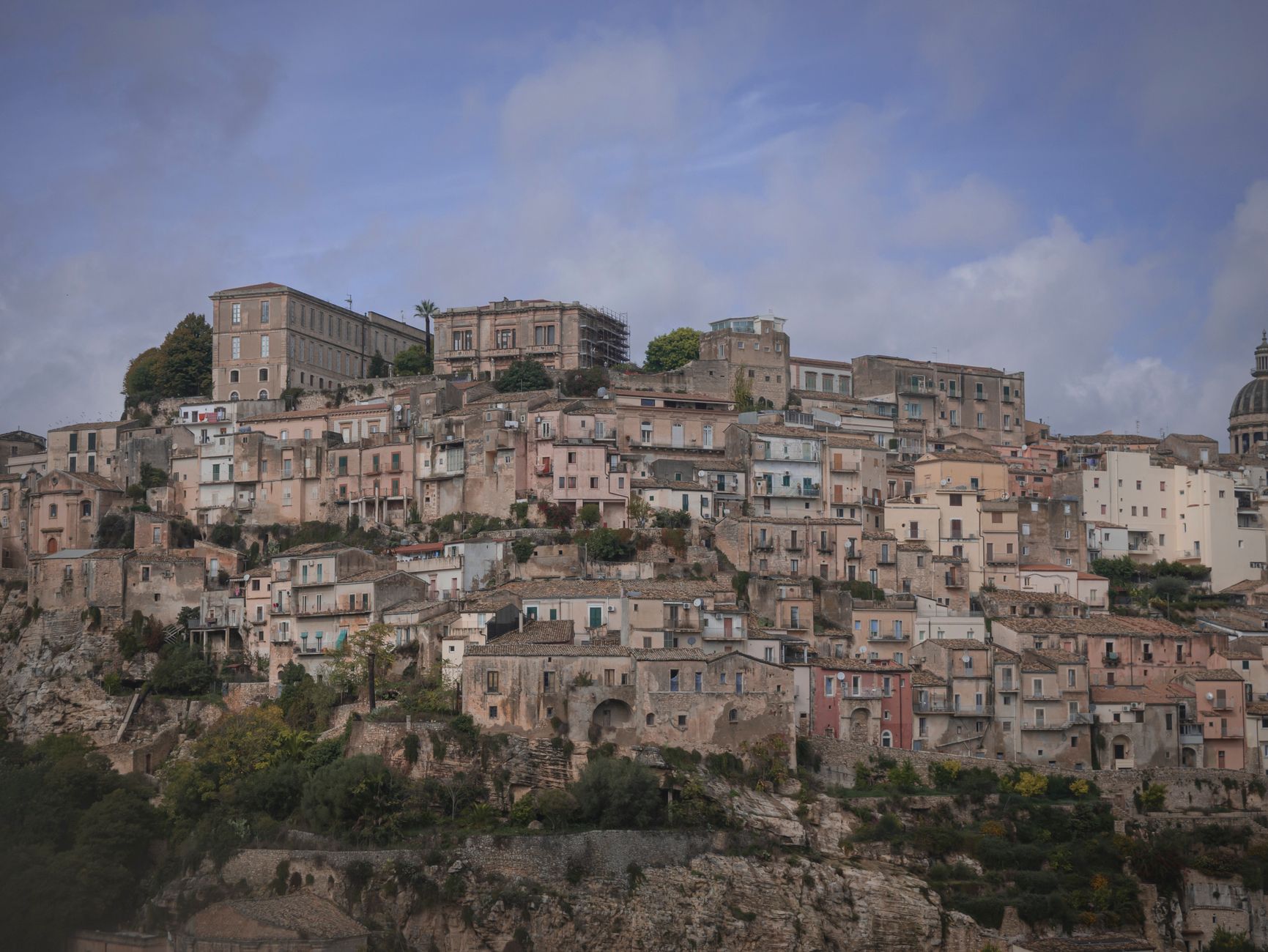
The House of Last Resort by Christopher Golden does something smart from the first chapter: it grounds the supernatural in economic desperation. Tommy and Kate Donahue are broke, their Boston life in ruins, and a long-forgotten inheritance lands them a house in the hilltop village of Becchina, Sicily. The deal seems absurd. Move there, restore the place, and the property is yours. They take it. Of course they take it. And the house, it turns out, has its own terms.
What Golden gets right about haunted houses
The best haunted house fiction understands that the building is never just a building. It's a repository. In Golden's novel, the Becchina house carries the weight of the village's history, a history that the locals guard with a silence that curdles quickly into menace. Golden has always written horror that moves at pace, but here he slows down just enough to let the village itself become a character. The cobblestones, the neighbours who watch without speaking, the priest who answers questions with questions. It works.
The novel sits comfortably in the tradition of American-protagonists-abroad horror: outsiders whose ignorance of the local rules makes them the perfect victims. Golden doesn't apologise for using that template. He builds on it. Tommy and Kate aren't naïve tourists; they're desperate people who need this house to work, which means they ignore warning signs that a more comfortable couple would heed immediately. That financial pressure keeps the tension credible.
Fans of The Good House by Tananarive Due, which similarly plants inherited property at the centre of a supernatural threat, will recognise the structural logic here: ownership as trap, the house as something that chooses its occupants rather than the other way around.
The Sicilian setting as active horror
Golden visited Sicily while researching the book, and it shows. Becchina is fictional, but the texture of the place isn't. The heat. The sulphur smell that drifts up from the ground in certain parts of the island. The specific quality of light on old stone at midday. These details do the work that jump scares can't: they convince you the place is real before the strange things begin happening.
The folkloric element Golden draws on here isn't the familiar southern Italian witchcraft of American horror films. It's older. Murkier. The novel gestures toward pre-Christian belief layered under centuries of Catholicism, the kind of syncretism that makes official religion feel like a thin coat of paint over something that doesn't want to be covered. When the supernatural events begin, they feel like eruptions of that buried layer rather than intrusions from outside.
This puts The House of Last Resort in interesting conversation with folk horror more broadly. The village doesn't merely tolerate the evil; it has a relationship with it. That relationship is the novel's best secret, and Golden parcels out its details carefully.
Pacing and its one problem
Golden writes clean, propulsive prose. Sentences land. Chapters end in the right place. The book doesn't outstay its welcome at roughly 300 pages, and the escalation from unease to outright terror is controlled without feeling mechanical.
The single structural weakness is the middle act. Around the halfway point, the novel introduces a secondary storyline involving a village historian that momentarily pulls focus from Tommy and Kate at exactly the wrong moment. It's not that the subplot is uninteresting. It's that we've just reached the point where the house has started doing its worst, and cutting away costs momentum. Golden recovers, but those 40 or so pages test the reader's patience in a way the rest of the book doesn't.
Kate is the stronger of the two protagonists. She drives the investigation, she's the one who insists on asking questions, and her relationship to the house becomes more intimate and more disturbing than Tommy's. Golden makes this feel organic rather than contrived. It's Kate's novel by the final act, and that's the right choice.
How it stands in Golden's body of work
Christopher Golden has been one of American horror fiction's most reliable writers for three decades. He's written everything from Hellboy tie-in novels to quiet, devastating originals, and his range is genuine. The House of Last Resort feels like a direct continuation of the mode he refined in novels like Ararat and The Pandora Room: location-driven horror where the setting's history is itself the monster.
What separates it from those earlier books is the intimacy. Ararat works on a grand scale, with a large cast on a mountain. This is two people in a house. That compression makes the dread more personal. It also makes the folklore land harder, because there's no crowd to diffuse the threat.
For readers who found The Little Stranger by Sarah Waters compelling for the way its house accumulates psychological pressure, Golden's novel offers something adjacent: a house that remembers everything, and eventually shows you what it's kept.
The verdict
The House of Last Resort is confident, well-researched haunted house horror from a writer who knows exactly what he's doing. The Sicilian setting is the book's real achievement: vivid, specific, and genuinely strange in ways that no invented landscape could replicate. The mid-section sag is real but forgivable. Kate Donahue is one of the better protagonists Golden has written.
Read it at night. Read it in a house with creaking floors. It'll earn its ending.
Rating: 4 out of 5