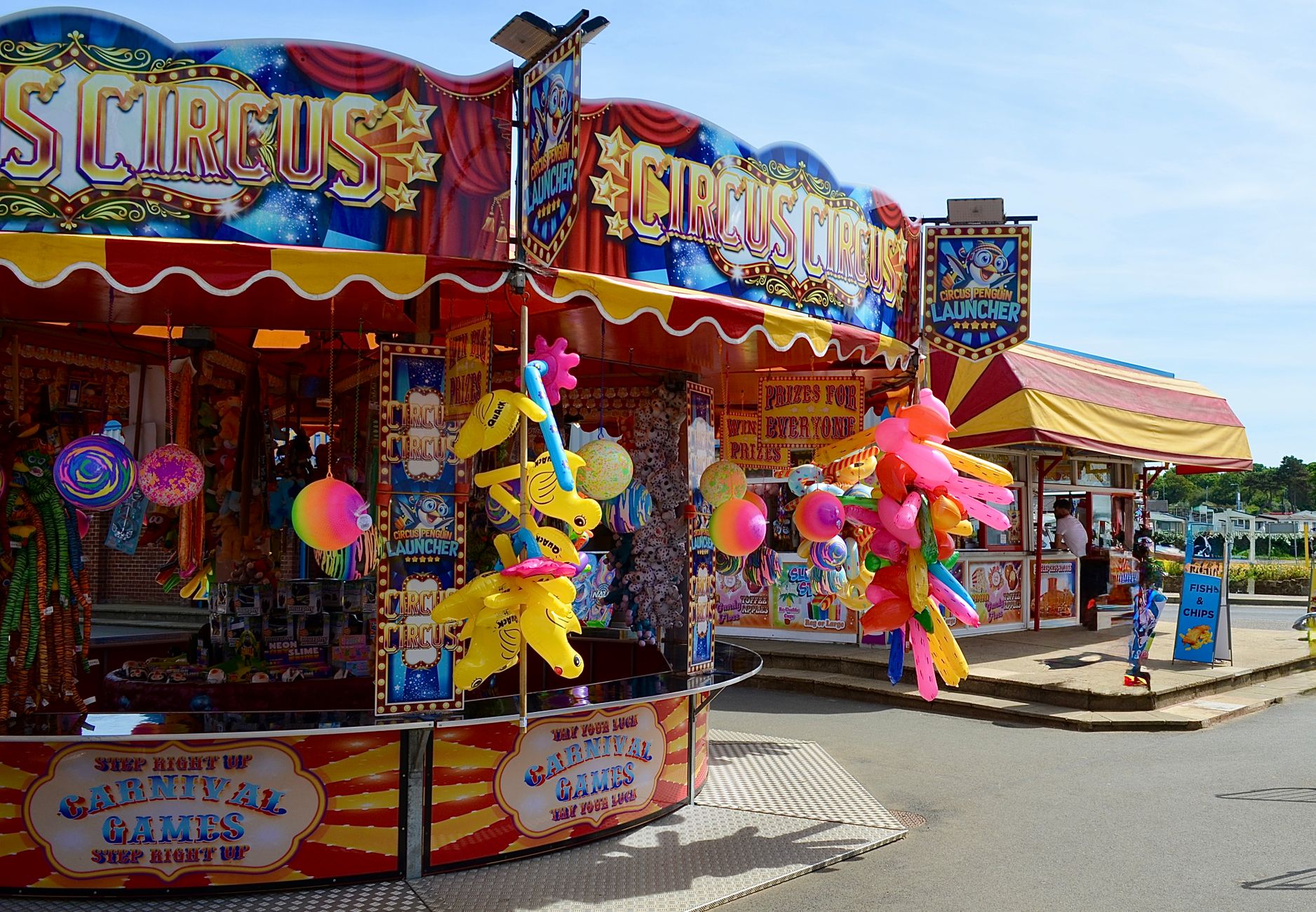
Freaks (1932) arrives with a reputation so outsized it sometimes obscures the film itself. Tod Browning's carnival horror was pulled from circulation after its release, reportedly after audience walkouts and outrage from exhibitors. MGM recut it, sold the rights to a roadshow distributor, and effectively buried it. For decades it existed as a rumour more than a film. What's remarkable, watching it now, is how measured and deliberate it actually is. This isn't crude exploitation. It's a precise little machine designed to invert every assumption a 1932 audience brought to a cinema seat.
The sideshow as moral setting
The premise is simple. Cleopatra (Olga Baclanova), a beautiful trapeze artist, agrees to marry Hans (Harry Earles), a dwarf performer, after learning he has inherited a fortune. She plans to poison him and take the money. What she doesn't plan for is the loyalty of Hans's community: the sideshow performers, whom the film refers to collectively as "the freaks." They know what she's doing. And they respond.
Browning spent years in carnival work before he directed anything. That background shows. The film doesn't treat its cast of real sideshow performers as spectacle for spectacle's sake. It treats them as a society with its own codes, rituals, and capacity for both welcome and vengeance. The famous wedding banquet scene, where the performers chant "one of us, one of us" as they pass a loving cup to Cleopatra, is joyful before it turns sinister. The horror in it is hers, not theirs. Cleopatra's revulsion is the problem the film asks you to notice.
That inversion is everything. For a genre that had spent its first decade casting disfigurement as the outward sign of inner evil (think Lon Chaney's parade of disguised faces), Freaks puts the monstrousness squarely in the physically normative characters. The "normal" people here are the vain, the greedy, and the cruel. The performers with microcephaly, the conjoined twins Daisy and Violet Hilton, the legless Johnny Eck: these are the film's moral centre. Browning makes you sit with that for long enough that you don't forget it when the final act arrives.
What the production actually did
MGM gave Browning a significant budget and real sideshow performers. The cast included Schlitzie (billed as "the pinhead"), the Hilton sisters, Prince Randian (who opens the film by lighting a cigarette with only his lips and chin), and Johnny Eck, a man born without the lower half of his body who moved on his hands with a speed that the camera finds genuinely startling.
The decision to cast real people rather than actors in prosthetics was, at the time, the most radical thing about the film. It still is. No makeup department could replicate what Browning put on screen, and he didn't try to. The performers share scenes with the fictional characters as equals. Daisy and Violet Hilton flirt and argue with their respective suitors. Prince Randian is genial and self-possessed. Schlitzie laughs. These aren't symbols. They're people with screen presence.
The horror of the ending, then, isn't that the freaks are monstrous. It's that they become what the outside world always assumed they were, driven there by a woman who treated them as beneath contempt. Browning earns the final image because of how carefully he built everything before it. The film runs just 64 minutes in its surviving cut (the original ran closer to 90, with more backstory that MGM removed), and it doesn't waste a scene.
The film in context: 1932 and what surrounded it
The early 1930s were the peak of Universal's monster cycle. Dracula and Frankenstein both arrived in 1931. The Mummy followed in 1932. Browning himself had directed Bela Lugosi in Dracula the year before. These films made their monsters through costume and performance, through the distance of fantasy.
Freaks refused that distance. It's worth comparing it to the silent-era work that preceded it: The Phantom of the Opera (1925) used Lon Chaney's distorted face as the site of both horror and sympathy, but the disfigurement was still theatrical, still constructed for effect. Browning removed the theatrical layer entirely. That's what audiences couldn't stomach. Not cruelty, not violence, but reality.
The nearest comparison from the same year is Carl Dreyer's Vampyr (1932), another film that trusted atmosphere and moral unease over conventional genre beats. Both films were commercial failures at release. Both were later recognized as essential.
What holds and what doesn't
The film isn't flawless. The comic relief provided by Venus (Leila Hyams) and Phroso (Wallace Ford) is functional at best, and the romantic subplot between them exists mainly to give the audience somewhere comfortable to rest between its more demanding sequences. Some of the dialogue creaks. The romantic framing around Hans and his original sweetheart Frieda (Daisy Earles, Harry's real-life sister) can feel slow.
None of that matters much against what the film gets right. The wedding banquet. The storm-lit finale. The image Browning saves for last, which he withholds until the final seconds. He holds it just long enough that you understand what it's asking: who made this? And the answer isn't the performers.
The Production Code tightened after 1932, and Freaks would have been impossible within two years of its release. It arrived in a specific window, made possible by pre-Code Hollywood's tolerance for moral ambiguity, and it used that window to say something that took the industry decades to say again. Nearly a century on, it's one of the few horror films from its era that doesn't feel like a museum piece. It feels like an argument still in progress.
Verdict
Tod Browning's Freaks (1932) is a horror film that earns its reputation not through shock but through conviction. It identifies the real monster clearly, frames the marginalized with dignity, and then follows both choices to their logical ends. The final image doesn't let anyone off the hook. That includes the audience. Few films from 1932 have aged this well, and fewer still have anything this pointed left to say.