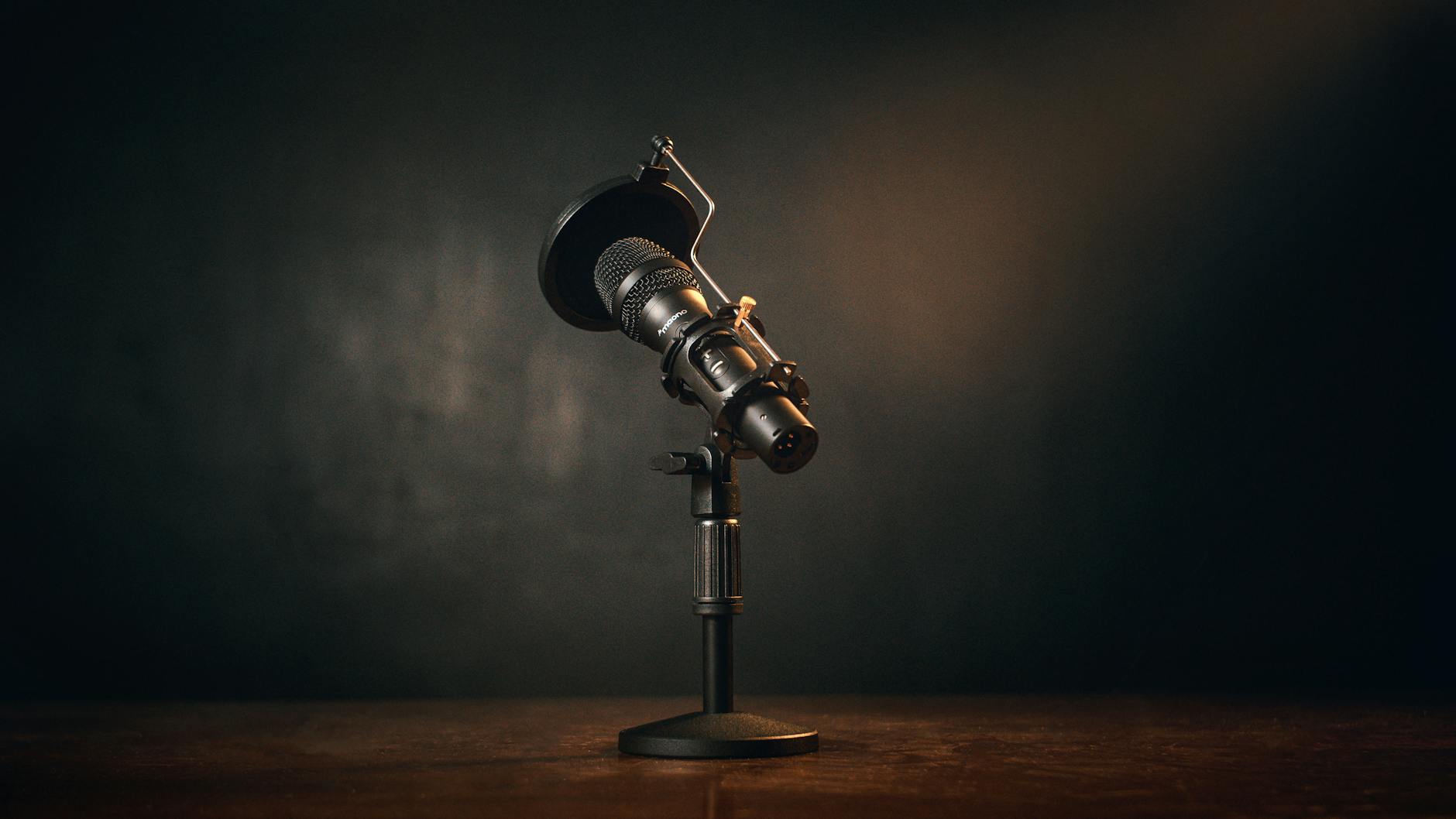
Pontypool (2008) is the horror film that builds its entire monster out of something you can't see, touch, or run from: spoken language. Bruce McDonald's adaptation of Tony Burgess's novel Pontypool Changes Everything locks disgraced shock jock Grant Mazzy, played by Stephen McHattie, inside a basement radio station in Pontypool, Ontario, on Valentine's Day morning, and then lets the world outside dissolve into something incomprehensible. It's a film about infection where the pathogen is a word. That premise sounds like a thought experiment. McDonald makes it feel like a siege.
What the film actually does
Most radio-confined horror films coast on claustrophobia. Pontypool earns it. Mazzy, his producer Sydney Briar (Lisa Houle), and their technician Laurel-Ann Drummond (Georgina Reilly) spend the first act receiving increasingly fractured reports from a field correspondent named Ken Loney, who describes a crowd of people tearing each other apart outside a doctor's surgery. The film never cuts outside to show it. You hear it. Ken's transmissions grow stranger, more broken, and then stop. The decision to keep the camera in the studio isn't a budget concession. It's the film's entire argument: if you can't see it, you have to interpret it, and interpretation is precisely what the virus exploits.
The infection, explained midway through by a doctor who barricades himself into the station, spreads through the English language. Certain words become carriers. When a listener hears the same word repeated until it loses meaning, something breaks in the brain, and they become one of the "conversationalists": people who cluster in groups, mouthing syllables obsessively before turning violent. It's a concept with genuine intellectual weight. Language is how we construct reality. Pull the thread, and everything unravels. McDonald and Burgess aren't being cute with this. The film takes the idea completely seriously, and that commitment is what separates Pontypool from a dozen other high-concept horror films that smirk at their own cleverness.
Stephen McHattie holds the whole thing up
McHattie is the reason the film works. Mazzy is introduced as a washed-up loudmouth, an AM radio dinosaur with a velvet voice and no filter, and McHattie plays the type without contempt. There's weight to him. His voice is genuinely extraordinary: low, slow, the kind of radio voice that sounds like it was built in a different century. The irony that this man, whose instrument is language, finds himself inside a plague transmitted through language is the film's sharpest joke. McHattie doesn't undersell it. When Mazzy starts improvising on-air, trying to talk his way toward a cure by corrupting the infected words, McHattie makes the scene feel both ridiculous and desperate in exactly the right proportion.
Lisa Houle matches him. Sydney is the competent, exhausted professional holding the station together while Mazzy postures, and Houle gives her a specific kind of weariness that reads as real. The two actors have a dynamic that feels lived-in. They've been doing this together long enough to be irritated by each other and still protective of each other. That texture grounds the film through its stranger passages.
Where it strains and where it doesn't
The third act is where Pontypool tests your patience. The film's explanation of the infection mechanics, delivered by Dr. Mendez (Hrant Alianak), goes on longer than it needs to, and some of the theoretical dialogue tips into parody. McDonald keeps the tension alive through editing and sound design, but there's a stretch in the final 20 minutes where the pace sags. The ending, which involves Mazzy and Sydney finding a linguistic workaround, is clever and perhaps a little too satisfied with itself. The film knows it's been smart. It wants you to know it too.
None of this is fatal. The siege sequences work. A scene in which Laurel-Ann begins to show signs of infection, repeating a phrase under her breath with increasing urgency, is genuinely disturbing. McDonald shoots it quietly. No dramatic score swell. Just Reilly, a corridor, and a sound like something misfiring inside a person. That restraint is the film at its best. It trusts the concept enough not to amplify it.
The sound design throughout deserves specific mention. Patrick Thibodeau's work turns the radio transmissions into something physically uncomfortable by the second act. Static, broken voices, the fragments of Ken Loney's deteriorating reports: these pile up like pressure. Pontypool understands that radio is already a horror medium. Orson Welles knew it in 1938. McDonald builds on that without ever stating it directly.
What it sits alongside
Pontypool fits a specific tradition of horror films that locate their monster in an idea rather than a creature. It shares something with The Mist (2007), another film that uses a contained location to argue that people are more dangerous than whatever is outside. The philosophical ambition is different, but both films are interested in how communities fracture under pressure. Pontypool is quieter, stranger, and less interested in catharsis.
Its Canadian setting matters more than it might seem. Pontypool, Ontario, is a real town, and the film uses that specificity deliberately. This isn't a generic American suburb falling apart. It's a small, cold, specific place, and the film's low budget captures something of that texture. McDonald shot Pontypool in about two weeks, largely on a single set. That constraint produces an intimacy that bigger-budget horror rarely achieves. Cube (1997), another Canadian genre film built around a single location and a high-concept premise, shares that same pressure-cooker efficiency.
Pontypool was released in Canada in 2008 and took time to find its audience. It did. It's now reliably cited as one of the more original horror films of its decade, which is the right verdict. The concept is genuinely new. The execution is disciplined. The performance at its centre is one of horror's quietly essential pieces of work. See it once, and you'll think twice before you say a word.