Suspiria (1977) is a film that hits you before you understand it. American ballet student Suzy Bannion arrives at a prestigious German dance academy on a stormy night, and within minutes Dario Argento has established that logic is not the currency here. Colour is. Sound is. Dread is. This Suspiria (1977) movie review makes the case that Argento's masterwork is one of the most singular horror films ever committed to celluloid, a film that operates less like a story and more like a fever.
What Suspiria is actually about
The plot, stripped back, is simple: Suzy (Jessica Harper) enrols at the Tanz Akademie in Freiburg, Germany, and begins to suspect the school is run by a coven of witches. Students die in elaborate, operatic ways. Suzy investigates. The academy burns. What makes Suspiria extraordinary isn't the story; it's the texture wrapped around that story. Argento uses the thin narrative as a skeleton on which to hang forty-five minutes' worth of set pieces that have never been equalled for sheer cinematic malice.
The Technicolor assault
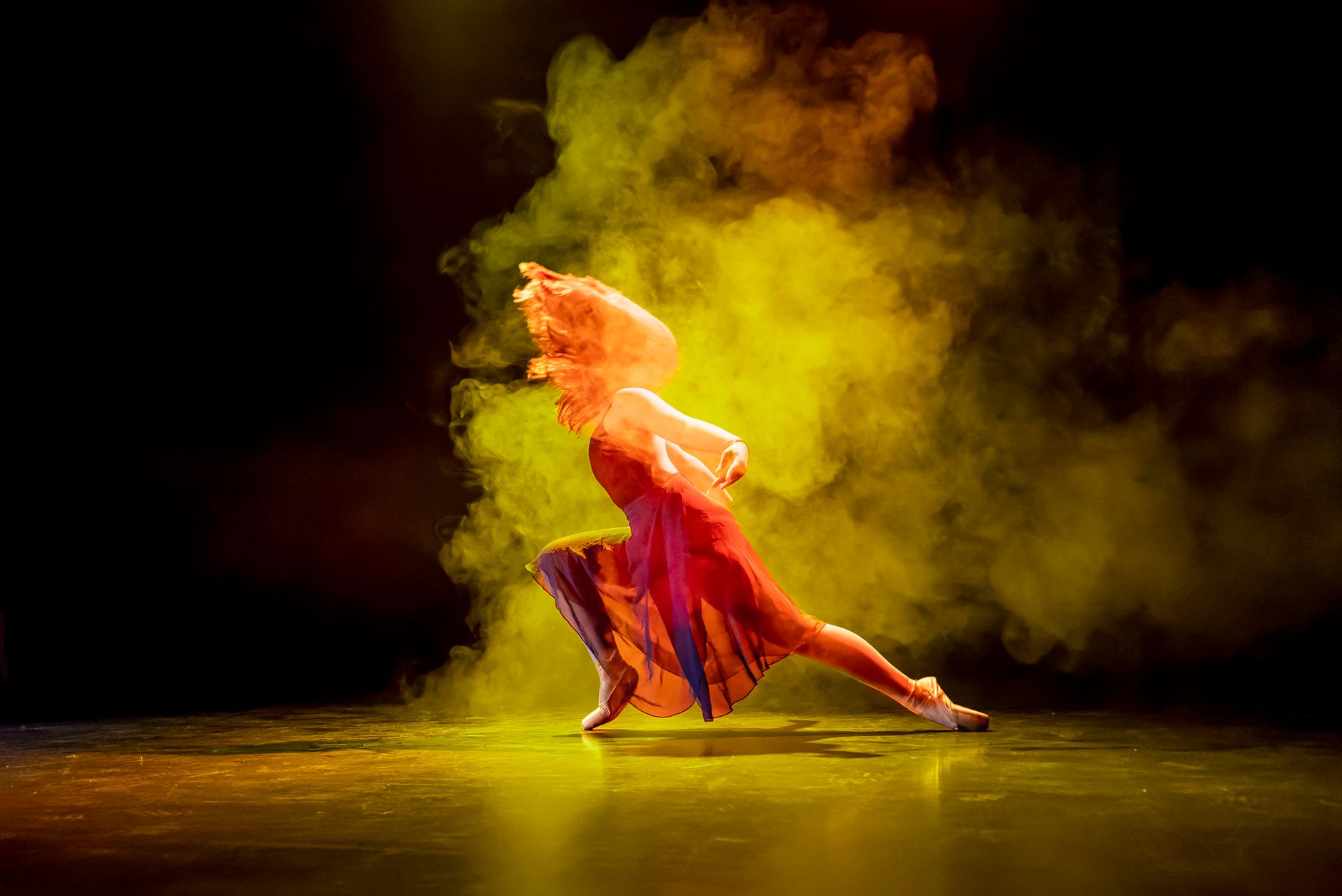
Argento shot Suspiria using a fading Technicolor process, and the results are unlike anything produced before or since. Rooms bleed red and green. Shadows turn cobalt blue. Characters move through hallways that look like the inside of a bruise. This wasn't accident or affectation. Argento studied Disney's Snow White and the Seven Dwarfs and wanted primary colours pushed to their absolute limit, a palette he felt modern film had abandoned too readily. The decision pays off at a neurological level. The colours aren't just beautiful; they signal wrongness. Your eye keeps waiting for the world to normalise, and it never does.
The cinematography by Luciano Tovoli makes every frame feel curated to within an inch of its life. Iris shots, slow zooms, canted angles, all of it building a world where space itself seems hostile. Unlike the cold, methodical dread of Kubrick's geometric terror in The Shining (1980), Argento's spaces are organic, almost biological. The academy doesn't feel like a building. It feels like a creature.
The Goblin score
No review of Suspiria is complete without addressing what Goblin did with the soundtrack. The Italian prog-rock band composed a score that functions as a co-director. The main theme opens the film with a children's chant layered over harsh percussion and distorted guitars, and it announces immediately that Suspiria intends to get under your skin and stay there. Argento insisted the band record the score before filming wrapped so he could play it on set, pressuring the cast into authentic discomfort. Harper has spoken publicly about how unsettling that process was. It shows.
The music doesn't underscore the horror; it generates it. Scenes that might read as exposition in silence become unbearable when Goblin is working at full intensity. That's a rare quality. Ari Aster used a similar philosophy in Hereditary (2018), where Colin Stetson's score transforms domestic scenes into something genuinely threatening, but Goblin's work on Suspiria remains the benchmark.
Jessica Harper and the central performance
Harper's Suzy Bannion is an unusual horror protagonist. She isn't passive, but she isn't particularly aggressive either. Harper plays Suzy as genuinely, believably confused, a person trying to apply rational thought to a situation that has stopped obeying rational rules. It's a performance built on incremental unease rather than screaming, and it works precisely because Harper never telegraphs how afraid she is until the moment she absolutely has to be. That restraint makes the final act's physicality hit considerably harder.
The supporting cast, including Alida Valli as the imperious Miss Tanner and Joan Bennett as the academy's blind directress Madame Blanc, brings a theatrical, almost pantomime weight to proceedings. These are not realistic characters. They are archetypes, and Argento frames them accordingly: shot from below, lit from unusual angles, always slightly wrong.
The two set-piece murders
Two deaths define Suspiria's reputation. The first, which occurs within the film's opening fifteen minutes, remains one of the most startling opening sequences in horror history. A young woman fleeing the academy is killed in a manner so elaborate and so visually precise that the film essentially dares you to keep watching. It's an act of pure directorial confidence. The second major set piece, involving a man guided by his seeing-eye dog through a city square, uses sound and shadow to build a sequence of almost unbearable tension before delivering its violence with surgical brutality.
Neither murder feels gratuitous in context. Both exist to communicate the nature of the threat: something old, methodical, and absolute. This is different from the frantic, procedural violence in films like The Texas Chain Saw Massacre (1974), where horror comes from chaos and proximity. Argento's violence is choreographed. That's what makes it stick.
The witchcraft mythology
Argento and co-writer Daria Nicolodi drew on a real reference for the occult framework: Thomas De Quincey's 19th-century essay collection Suspiria de Profundis, in which De Quincey wrote about supernatural female entities he called the Three Mothers: Mater Suspiriorum (Our Lady of Sighs), Mater Tenebrarum (Our Lady of Darkness), and Mater Lachrymarum (Our Lady of Tears). Argento adopted these figures as the basis for a loose trilogy. Suspiria concerns the first Mother. Inferno (1980) and Mother of Tears (2007) address the other two.
The mythology isn't explained in detail within the film, and that's deliberate. Argento withholds information the way a nightmare withholds logic. You understand that something ancient and malevolent runs the academy. The specifics feel beside the point.
Why Suspiria still disturbs
Nearly fifty years on, Suspiria (1977) hasn't softened. The Technicolor print looks extraordinary in contemporary restorations. The Goblin score hasn't dated in the way that synth-heavy horror scores from the same era sometimes have. And Argento's absolute commitment to sensation over sense remains genuinely unusual. Most horror films want you to follow the story. Suspiria wants you to feel the walls closing in.
Luca Guadagnino's 2018 remake is a serious, interesting film, but it confirms rather than replaces the original by being everything Argento's version is not: restrained, politically contextualised, intellectually considered. Both films can coexist. Only one of them hits like a fist wrapped in silk.
Suspiria (1977) is essential viewing. It is the film that showed horror could discard realism entirely and still terrify completely. Watch it in the dark with the volume up.
Rating: 5 / 5